





Staring at leftover puree and wondering if it's still safe? Well, most homemade baby puree lasts 24 to 48 hours refrigerated, store-bought veggie purees may stretch to 2 to 3 days, and meat-based options are best used within 24 hours. Shelf-stable baby food pouches can simplify things considerably and can be stored at room temperature until opened.
This guide covers storage timelines, freezing methods for meal prep, and tips for keeping baby food fresh and safe. We'll also walk through spoilage signs. so parents can feel confident about every spoonful.
Best Sellers
They're not just parent favorites—they're little ones favorites too.

Little World Traveler Pack


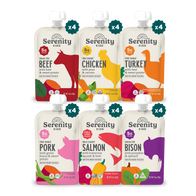
Power Protein Variety Pack


How Long Does Baby Puree Last in the Fridge? The General Timeline
Homemade baby foods last 1 to 2 days in the refrigerator at 40°F or below. Vegetable blends might last slightly longer than meat-based options.
Shelf-stable baby food pouches can be stored at room temperature until opened, thanks to careful preparation methods that create shelf-stable pouches without losing nutrients. Once opened, refrigerate and use within 24 hours for best quality.
That said, keep in mind that storage duration depends on several key factors:
-
Cooling speed: How quickly the puree was chilled after preparation
-
Handling practices: Whether it was served directly from the container
-
Temperature control: Consistent refrigeration at 40°F or below
Make sure to handle your baby’s food with the utmost attention, while carefully minding proper temperatures.

Can We Freeze Baby Puree for Later?
Freezing offers a practical way to reduce waste and simplify meal prep, especially when batch-cooking homemade baby food or preparing stage one baby food purees. Homemade purees can be frozen for up to 30 days while maintaining good quality.
Ice cube trays or small freezer-safe containers make portioning easy, with each cube holding roughly one ounce. This approach lets us defrost exactly what we need for each meal.
Once thawed, puree can be used promptly. Refreezing may not be recommended, so we can defrost only what a little one might eat in one sitting.
Fridge Storage Time by Type of Baby Puree
Not all purees might share the same fridge life because the type of food can play a key role. Understanding these differences helps us plan meals safely and reduce waste.
|
Puree Type |
Fridge Storage Time |
Key Considerations |
|
Vegetable Purees |
2 to 3 days |
Most forgiving storage window; maintain proper refrigeration |
|
Meat-Based Purees |
1 day |
Faster spoilage risk due to protein content |
|
Mixed Meat and Vegetable Purees |
1 to 2 days |
Follow shorter timeline when protein is included |
Vegetable Purees
Purees made from fresh veggies tend to be the most forgiving. Strained vegetables can last 2 to 3 days when properly refrigerated.
This makes butternut squash baby food recipes a great option for meal prep. Options like organic spinach baby food or other veggie pouches can help reduce storage guesswork.
Meat-Based Purees
For parents deciding when to introduce meat, it is helpful to know that protein-rich blends containing meat or poultry typically last about 1 day due to faster spoilage risk. The higher protein content creates an environment where bacteria can multiply more quickly.
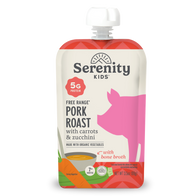
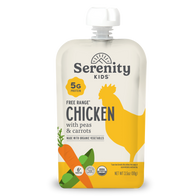
Serenity Kids' shelf-stable meat baby food pouches offer meat-based options without the tighter homemade storage window.
Mixed Meat and Vegetable Purees
These combinations usually last 1 to 2 days depending on ingredient freshness. Figuring out how to serve meat alongside vegetables is a great way to boost nutrition.
When protein is included, we can follow the shorter storage timeline. The meat component can determine the safe storage window, not the vegetables.

Expert Tips for Keeping Baby Puree Fresh and Safe
Food safety starts with a few simple habits that help parents get the most out of every batch. These practices reduce bacterial growth and maintain nutritional quality:
-
Cool and refrigerate puree quickly after cooking: Whether prepping simple purees or more complex baby meal ideas, refrigerate portions within 2 hours of cooking to slow bacterial growth. Dividing batches into smaller portions helps food cool faster.
-
Store in small, airtight containers per serving: Single-serve portions reduce air exposure and prevent contamination. Clean, sealed containers like BPA-free plastic or glass jars help maintain freshness for the full storage window.
-
Avoid feeding directly from the storage container: Saliva can introduce bacteria that might multiply even in the refrigerator. Spoon a serving into a separate bowl and feed from there.
-
Do not store leftovers: Any remaining food that contacted baby's mouth can be discarded after the meal. This simple step can help reduce contamination of the entire batch.
-
Label containers with prep date: A simple date label can reduce the "is this still good?" guessing game. Including the food type and date keeps things organized.
-
Trust sensory issues over the calendar: Check for a sour smell, unusual texture, or visible separation. These may signal spoilage even within the recommended timeframe.
Check out nutrient-rich puree recipes for inspiration worth storing well. And in general, follow the food safety mantra, “When in doubt, toss it out.”
Signs Baby Puree May No Longer Be Safe to Eat
We can trust our instincts and prioritize safety over saving a small amount of food. Here’s a quick-reference checklist for things to look out for when things seem questionable:
-
Unusual smell or sour odor: Fresh puree usually has a mild, neutral smell matching its ingredients. A sour, fermented, or "off" smell can be one of the earliest spoilage signs.
-
Changes in texture or visible separation: Some natural separation can happen, especially with thicker baby food blends. However, sudden watery layers, clumping, curdling, or mold can mean it's time to discard.
-
Exceeded safe storage time or improper storage: Puree kept beyond the recommended timeframe may not be safe even if it looks fine. Food left at room temperature for more than 2 hours before refrigerating may no longer be suitable.
Safe prep practices for homemade baby food may be a lot to take in at first, but it can get easier once you know how to trust your instincts.
Nourish Our Little Ones with Serenity Kids
Providing healthy food for kids is a top priority, and knowing how to safely store baby food reduces guesswork while making feeding simpler. Whether batch-cooking at home or grabbing something on the go, knowing what's safe matters.
Serenity Kids pouches offer organic vegetables, ethically sourced meats, and healthy fats in a shelf-stable format. No batch-cooking required, no fridge-clock anxiety. Explore our full lineup of best baby food and find the next favorite meal for every little one.
Sources
-
North Dakota State University Safe Food for Babies: Handling Breast Milk, Formula and Baby Food. https://www.ndsu.edu/agriculture/sites/default/files/2024-08/fn656.pdf.
-
FoodSafety.gov. People at Risk: Children Under Five. https://www.foodsafety.gov/people-at-risk/children-under-five.


