

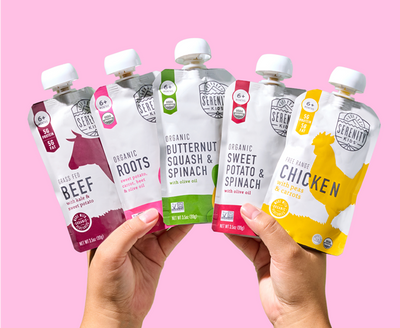
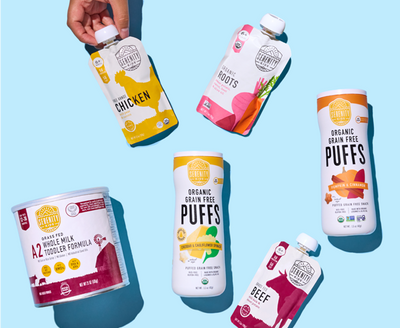
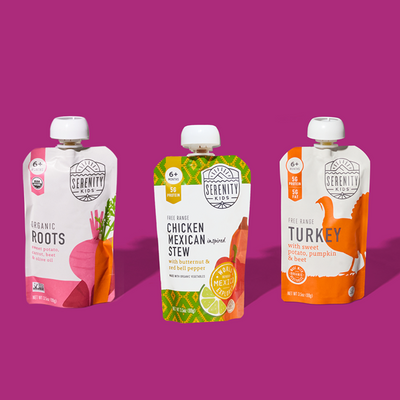
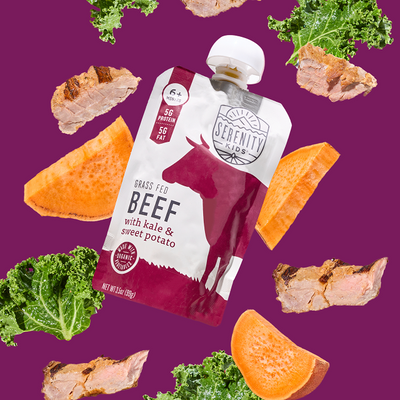



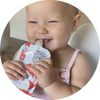


One of the most common questions parents have when starting solids is how many baby food pouches to offer each day. The honest answer is that there is no single right number. Pouch consumption tends to vary by age, appetite, and how a family approaches feeding, and it shifts as babies grow. General guidelines from sources like the AAP and CDC can offer helpful reference points, but because every child's needs are unique, a healthcare professional is always the best resource for personalized guidance.
There's No One-Size-Fits-All Answer
How much a baby eats from day to day can vary with growth spurts, activity level, teething, and plain old personal preference. Some families use pouches as a full meal, others as an on-the-go snack, and some add them to recipes for a quick nutrient boost. Because pouches may vary in ingredients and sugar levels, it’s always helpful to stay mindful of overall balance. Throughout infancy, breast milk or formula continues to play the primary nutritional role alongside whatever solids a baby is exploring. Pouches are one flexible piece of that broader picture, not a standalone measure of how well a baby is being nourished.
Baby Food Pouch Guidelines by Age
The age ranges below reflect general patterns informed by guidance from organizations such as the AAP and CDC. They are reference points, not strict targets, and individual babies may eat more or less at any given stage. Breast milk or formula remains an important part of the feeding picture throughout the first year and beyond. For a closer look at what solid feeding can look like month by month, our guide to baby food from 6 to 12 months covers a lot of helpful ground, especially when introducing new textures that support oral motor skills and motor development.
4 to 6 Months
The AAP recommends introducing solid foods around 6 months, when most babies show signs of developmental readiness. At this early stage, solids are more about exploration than nutrition, and breast milk or formula still provides everything a baby needs. Small tastes of smooth purees are a gentle way to begin. For ideas on what first foods can look like, homemade stage 1 baby food purees are a helpful starting point.
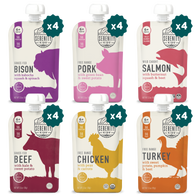
Best Sellers
They're not just parent favorites—they're little ones favorites too.


Little World Traveler Pack


Power Protein Variety Pack


6 to 8 Months
As babies become more comfortable with solids, many parents find they are offering roughly 1 to 2 pouches per day alongside continued breast milk or formula. This is a great window for your baby to expand flavor exposure and get comfortable with smooth textures. Veggie pouches can be especially useful at this stage for helping little ones develop a palate for savory flavors early.
8 to 12 Months
By this stage, many babies are eating around 2 to 3 pouches per day as part of a more varied diet that may also include finger foods and soft solids. The CDC notes that by 7 to 8 months, babies can typically handle foods from a wider range of food groups. This is also when self-feeding becomes more active, supporting both independence and continued oral motor development. When families feel ready to go beyond purees, giving babies real food can be a natural next stage.
12 to 18 Months
Around 12 months, solid food begins to take a more central role in nutrition. Many toddlers at this stage enjoy up to 2 to 4 pouches per day, often as a complement to meals and snacks rather than a replacement for them. Pouches remain a convenient option for busy days, travel, or adding a nutrient boost alongside other foods, and knowing how to store baby food properly can help keep them fresh after they’re opened. Because every child's needs are unique, a healthcare professional is always a good resource for guidance on what feels right at this stage.

Signs Baby Is Getting Enough
Pouch counts can feel like an unreliable measure from one meal to the next. Many parents find it more reassuring to look at overall patterns over time than to try to hit a specific number each day.
Steady Growth and Development
Weight and height generally tracking along healthy growth curves are among the most reliable signs that a baby is getting adequate nutrition. Continuing to meet age-appropriate developmental milestones is another good indicator that overall intake is on track.
Regular Hunger Cues
A baby who shows interest in food at mealtimes, opens their mouth for a spoon or pouch, and can turn away or signal fullness is demonstrating healthy feeding behavior. Responsive feeding, following a baby's cues rather than pushing a specific amount, is something many families find works well.
Satisfied After Meals
Appearing content and alert after feeding, and maintaining typical sleep and activity patterns, can suggest that a baby's nutritional needs are being met. A day or two of eating less than usual is also completely normal, especially during teething or illness.

Balance Nutrition Using Baby Food Pouches from Serenity Kids
Because every child's needs are unique, a healthcare professional is the best resource for personalized guidance on how many pouches are right for any given stage. In general, many families find that a flexible approach tends to work best, adjusting based on the baby's cues and what else is on the plate that day. Pouches are a useful tool in a varied feeding routine, and Serenity Kids meat baby food is one option many parents reach for when seeking thoughtfully prepared meals made with real, high-quality ingredients.