









Watching a baby reach for their first finger foods is one of those genuinely exciting milestones, and it usually comes with a few questions. One that comes up a lot: Are puffs actually safe? The reassuring answer is that baby puffs are specifically designed to dissolve quickly in saliva, making them among the more manageable early finger foods available. That said, a few situational factors can increase the risk of choking, and mindful feeding always makes a difference. If you are shopping for the best baby puffs or just wondering whether to serve the ones already in your pantry, a little context goes a long way.
The Choking Hazards of Baby Puffs
Most choking concerns with baby puffs are situational rather than inherent. Understanding what to watch for makes it easier to serve them with confidence and reduce choking risks.
Freshness
A puff that dissolves easily is a safe puff. When puffs are stale or left out too long after opening, they can harden and lose their quick-dissolve quality. Serving them fresh from a recently opened, properly sealed container helps maintain the soft texture that makes them appropriate for babies. For more on what goes into a quality puff, check out our thoughts on are baby puffs healthy.
Shape and Size
Small, round shapes can theoretically align with a baby’s airway, which is worth keeping in mind. This is less a reason to avoid puffs and more a reason to stay present during feeding. Active supervision is the most effective tool here.
Best Sellers
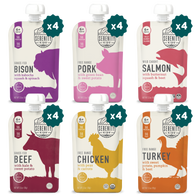
They're not just parent favorites—they're little ones favorites too.


Little World Traveler Pack


Power Protein Variety Pack


Quantity and Handling
Offering one or two puffs at a time gives babies the chance to practice without being overwhelmed. It also encourages them to slow down and actually experience each bite, which many parents find helps lay the groundwork for more mindful eating habits as they grow. Keeping portions small makes it easier to observe how they are handling each piece, too. Storing puffs properly between servings helps maintain the texture that makes them dissolve the way they are supposed to.
Safety Tips for Serving Puffs to Babies and Toddlers
Many families find that a few simple habits make snack time feel a lot more relaxed. These are not hard rules so much as practical things that tend to help, especially in the early days of learning the dos and don’ts for introducing solids.
Introduce Puffs at the Right Age
Many parents wait until somewhere around 6 to 9 months, when babies have developed enough motor control to pick up small pieces and have some experience with solid textures. Babies and toddlers can start eating puffs typically around 7 months, when they can:
-
Sit independently
-
Use a pincer grasp to self-feed
-
Crawl with their stomach off the ground
-
Use their jaws to mash food between their gums
Starting too early, before a baby has that foundational readiness, can increase risk. Our puffs are 16-18mm in diameter, safe to consume for babies and toddlers per industry standard. Since the puffs begin to dissolve when they interact with saliva, no teeth are needed; however, we still recommend that a child not be left unattended while feeding. Our post on when babies can have puffs covers the developmental signs to look for.
Serve Controlled Portions for Safer Eating
Keeping portions small and offering puffs one or two at a time gives babies time to chew and swallow before the next piece arrives. There is no rush. Letting the baby set the pace and pausing between offerings makes snack time easier to manage for everyone.
Supervise Closely and Prepare for Emergencies
Babies should never eat unattended, and that is true for any food, not just puffs. Many parents also find peace of mind in taking an infant CPR or choking response course before starting solids. Knowing what to do in an unlikely situation makes it easier to approach feeding with calm confidence rather than anxiety.

Signs to Watch While Your Baby Eats
Getting familiar with how babies respond to food makes it easier to tell the difference between normal learning and something that needs attention.
Gagging
Gagging is a normal, protective reflex as babies learn to manage food in their mouths. It can look alarming, but in most cases, it means the reflex is doing its job. Staying calm and letting the baby work through it is usually the right move.
Coughing
A cough during eating can be the airway clearing itself, which is a good sign. Persistent or forceful coughing warrants closer monitoring. If it does not resolve quickly, stop the feeding and assess.
Trouble Swallowing
If a baby seems to be struggling to move food down, drooling more than usual, or repeatedly spitting out the same piece, it may be a sign to pause and offer something easier. Not every texture is right for every stage.
Sudden Distress or Panic
A sudden change in a baby’s behavior during eating, like going silent, turning red, or showing visible distress, is a signal to act immediately. Stop the feeding, assess the situation, and respond according to infant choking guidelines.

Choosing Safe and Enjoyable Snacks
Puffs can be a genuinely fun and developmentally useful snack when served thoughtfully. Compared with other snacks like crackers, rice cakes, or dry cereal, dissolvable puffs are often easier for young eaters to manage. They give babies practice with the pincer grasp, build confidence with self-feeding, and introduce new flavors and textures in a manageable way. They are one of several great baby snacks worth having in rotation as little ones grow into eating.
Evidence suggests that the feeding environment matters just as much as the food itself. A calm setting, an attentive caregiver, and age-appropriate portions all contribute to a safer and more enjoyable experience. Most parents find that once they have a few snack sessions under their belt, puffs start to feel like the low-stress option they were designed to be.
However, parents should also remember items identified by safety experts as common choking hazards, including foods such as hot dogs, whole grapes, and cherry tomatoes, as well as non-food objects like small toy parts and coins. If parents have concerns about their child’s readiness for solids or snack textures, it can help to talk to your healthcare professional or consult a registered dietitian. Guidance from a professional can help families safely introduce snacks while supporting healthy development.