






Between feedings, nap schedules, and approximately one million other things, baby food storage is probably not something you spend a lot of time thinking about. And honestly, most parents are already getting it right. But if you want a quick refresher or a few helpful tips you have not tried yet, here it is: keep opened baby food refrigerated, use it within 24 to 48 hours depending on the type, and freeze anything you will not get to right away. That covers most of what you will encounter, whether you are working with pureed foods or baby food pouches as your little one begins exploring solid foods.
Why Proper Baby Food Storage Matters
Fresh food tastes better, and that matters more than you might expect when you are trying to build a baby’s palate and introduce new textures and solid foods. Beyond taste, proper storage supports food safety, limits the chance for bacteria to grow, and helps preserve the nutrient value of what you worked hard to prepare or carefully chose from the shelf.
This is especially important when preparing homemade meals with ingredients such as apples, peas, carrots, green beans, butternut squash, veggies, or protein sources like poultry and plant-based bean blends. With the right storage habits, you can continue offering healthy and delicious meals without worrying about food quality. The good news is that safe storage does not require special equipment or complicated routines. A few consistent habits go a long way.
Storing Homemade Baby Food vs. Store-Bought Baby Food
Storage needs vary depending on how the food was made, what it contains, and how it is packaged. Both homemade and store-bought baby food can be stored safely with the right handling. If you are still deciding whether to make homemade baby food or buy, these storage tips can be a helpful starting point.
Best Sellers
They're not just parent favorites—they're little ones favorites too.


Little World Traveler Pack


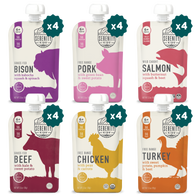
Power Protein Variety Pack


Homemade Baby Food Storage Basics
Homemade baby food purees are minimally processed compared with commercial options, so they are best used within a few days.
-
Fruit and vegetable purees: Use within 2 to 3 days in the refrigerator
-
Meat-based purees: Use within 1 to 2 days in the refrigerator
-
Frozen: Up to 1 to 3 months, depending on ingredients
Batch cooking in small amounts helps reduce waste and keeps things rotating. Label containers with the date so you never have to guess. An ice cube tray is a practical way to freeze individual portions that thaw quickly.
Opened Store-Bought Baby Food Storage
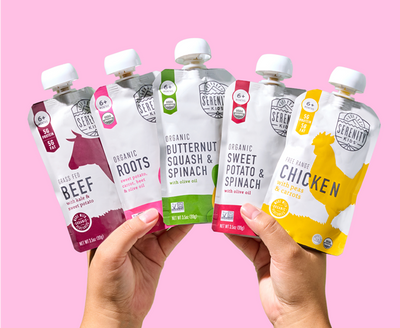
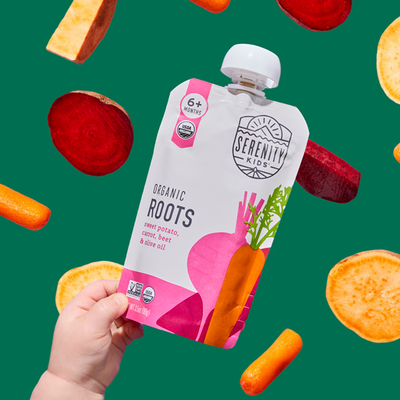
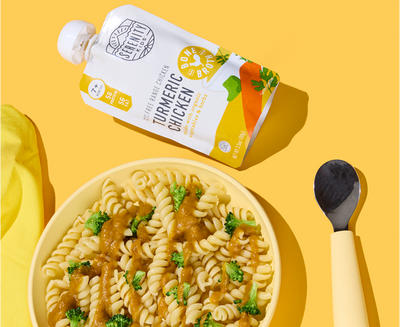
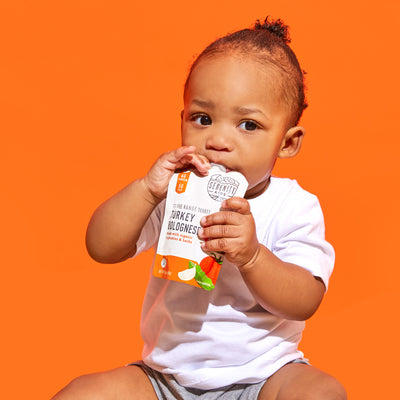
Once a jar or pouch is opened, refrigerate it promptly. If the original packaging is not resealable, transfer the remaining food to a small airtight container before refrigerating. For veggie pouches and similar products, here is what to keep in mind:
-
Unopened pouches can be stored at room temperature until the best-by date
-
Opened pouches should be refrigerated and used within 24 hours
-
Freezing leftovers works well; transfer to a freezer-safe container or ice cube tray and use within 30 days for best quality
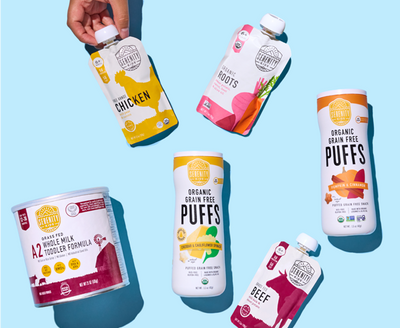
For puffs, each container has about six servings. Once opened, consume within 5 to 7 days and store at room temperature. A practical tip: try not to reach directly into the container each time, since the oils from your hands can speed up staleness. Instead, pour a serving out before resealing. If the original container is hard to reseal tightly, a small mason jar works great as an alternative.

Best Containers for Storing Baby Food
The container you use can affect how well food keeps and how easy it is to manage day to day. There is no single right answer here. The best option is whatever you will actually use consistently. Learn how shelf-stable pouches are made without losing nutrients through a detailed look at the process.
Glass Containers
Glass is non-porous, easy to clean, and does not hold onto odors or stains. It tends to be a good choice for longer fridge storage and works well for parents who prefer to avoid plastics entirely.
BPA-Free Plastic Containers
Lightweight and easy to pack, BPA-free plastic containers are a practical option for daycare drop-offs or on-the-go feeding. Look for options that seal tightly and are easy to clean.
Silicone Storage Trays
Silicone trays are especially useful for freezing purees in small portions. They flex easily, so frozen cubes pop out without much effort, making batch cooking more manageable.
Refrigerating Baby Food Safely
A quick reference for refrigerator storage:
-
Homemade fruit and veggie purees: 2 to 3 days
-
Homemade meat purees: 1 to 2 days
-
Opened store-bought jars: 1 to 2 days
-
Opened pouches: 24 hours
Before serving anything that has been opened and stored, check the appearance and smell. If something looks off or smells unusual, it is not worth the risk. Trust your instincts here. For more guidance on how much to feed your little one, our post on how many baby food pouches per day can help you plan portions alongside safe storage habits.
Safely Thawing and Reheating Baby Food
When you freeze homemade baby food and are ready to use it, it is important to thaw frozen baby food safely. You can move the portion from the freezer to the refrigerator overnight to defrost, or place the sealed freezer bag in warm water to gently warm it.
If you need to reheat the food, do so carefully. Many parents warm food in a small saucepan on the stovetop using low heat, which helps maintain the texture and flavor of the food. During heating, use a spoon to stir the puree to ensure even warming.
Some parents choose to use a microwave, but if you do, be sure to pause and stir frequently so hot spots do not develop. A food thermometer can help ensure the food reaches a safe internal temperature before serving. Always check that the food is warm, not hot, before offering it to your baby.

Safe Storage with Serenity Kids
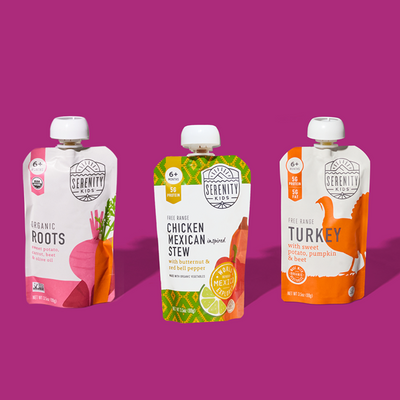
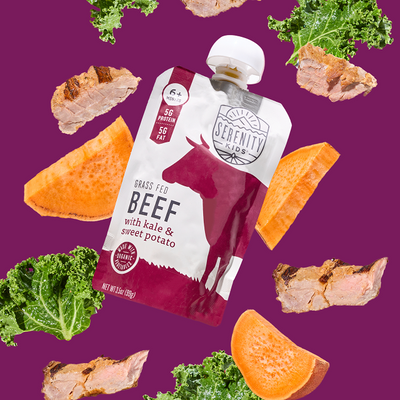
There is no single perfect storage method, and you do not need to overhaul your kitchen to keep baby food fresh and safe. Whatever approach fits your routine is the right one. The goal is simply consistency: refrigerate promptly, freeze what you will not use soon, and choose containers that make your daily life easier. Many parents find that meat baby food and veggie pouches from Serenity Kids fit naturally into that routine. The pouches are shelf-stable until opened, made with simple and thoughtfully sourced ingredients, and easy to store at home or take along wherever the day goes. They are designed to support balanced nutrition as babies transition from milk or formula to solid foods during early feeding stages.
The fact that you are thinking about this at all says a lot. Good storage is just one of those small, quiet ways caring for your little one shows up every day.