








We all want to serve nutritious foods and snacks to our kids. But we know it's not always that easy! It can be tough to find time to prepare (and clean up!) nutritious and delicious snacks for our kids. But it can be even harder to make snacks that they actually that enjoy, which have a good balance of protein, fat, fiber, and healthy carbs.
Since protein is often the hardest of these, we're sharing a roundup of 26 easy and tasty high-protein snacks packed with nutrition. Plus, these snacks are packed with various ingredients, ensuring a delicious and satisfying experience for your child.
Why is Protein Important for Kids?
As adults, we often strive to get more protein into our diets. We understand the benefits of protein for our own health, but we don't always think about its importance for our child. Here are a few key reasons why we want to prioritize protein for kids.
1. Supports blood sugar balance
We all know that kids get hangry. The intense hunger that makes kids crabby is often the result of a drop in blood sugar. A drop in blood sugar is most likely to happen after a spike in blood sugar from eating carb-heavy foods that aren't paired with enough protein or fat. That's because protein helps to slow the introduction of glucose into the bloodstream, so protein will help your kiddo not feel as hungry (or hangry) between meals or snacks.
Best Sellers
They're not just parent favorites—they're little ones favorites too.


Little World Traveler Pack


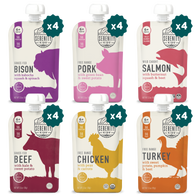
Power Protein Variety Pack


2. Supports growth and development
Made of chains of amino acids, protein is a part of every cell in the body and is made of chains of amino acids. Amino acids help to repair and maintain tissues in the body. They also help to build and repair muscle, tissue, skin, nails, and hair.
3. Supports the immune response
Protein can help support a healthy immune response1, thanks again to the amino acids that make up the protein. Amino acids are essential for the synthesis of immune proteins, including cytokines and antibodies that mediate immune responses.
26 Protein Snack Ideas for Kids
So we know why protein is important, now how do we get it into the bodies of our little ones? Here are 26 ideas for delicious and simple protein-rich snacks for kids.
1. Dairy-Free Protein smoothies
Nope, you don't have to make your own. We've got you covered with 4 portable protein-packed baby smoothies in multiple yummy flavors.
2. Baked blueberry donuts
You're probably thinking we're crazy for suggesting donuts. But these baked blueberry donuts include adequate protein to balance the carbs, and also contain healthy fats.
3. Strawberries and cheese
It can be tough to find nut-free protein snacks for kids. But a simple pairing of berries and cheese can be a great, satisfying snack for kids who tolerate dairy. Cheese sticks make this simple, or use some mini shape cutters on grass-fed cheddar to add a little fun.
4. Crackers with almond butter
Spread almond butter (or any nut or seed butter) on some grain-free crackers for a quick and easy snack. Also pairs well with fruit or even a few chocolate chips for a sweet touch.
5. Berry creamsicles
These creamsicles are a great make-ahead snack to keep in the freezer. They're quick, nutritious, and a picky-eater favorite!
6. French toast sticks
Yes, you can make pumpkin french toast sticks grain-free, low sugar, AND high protein.
7. Seasoned nuts and seeds
If not a choking risk, simple nuts or seeds make great protein snacks with an added bonus of healthy fat. Try sliced almonds, shelled pistachios, or sprouted pumpkin or sunflower seeds (we like Go Raw).
8. Turkey and pesto cucumber rolls
Swap out the tortilla for thinly sliced cucumber or zucchini and then layer it up with sliced turkey and some of your kid's favorite toppings and condiments.
9. Peanut butter banana yogurt parfait
This one can look and taste like dessert. Simply combine full-fat Greek yogurt (or dairy-free yogurt) with peanut butter (or almond butter) and layer it with a couple of very thin banana slices, then sprinkle with hemp seeds. This flavorful mix is an enjoyable treat for when cravings hit.
10. Quesadillas
Throw a Siete tortilla or EggLife wrap into a skillet and top with shredded cheese (either dairy or dairy-free). Try mixing some shredded chicken, ground beef, crumbled liverwurst, or cauliflower rice with the cheese for additional protein and/or veggies.
11. Deviled eggs
Kick your hard-boiled eggs up a notch by slicing them in half, whipping the yolks with some avocado oil mayo (or mashed avocado), some salt, and a teaspoon of apple cider vinegar. Then refill the eggs and sprinkle with smoked paprika.
12. Turkey and cheese pinwheels
Warm a Siete tortilla or EggLife wrap to make it pliable, layer it with a slice of turkey and a slice of cheese, then roll it up and slice it into pinwheels.
13. Chicken satay
Satay is a super kid-friendly way to serve chicken. It's traditionally made with peanut sauce, but there are also some great nut-free versions.
14. Trail mix
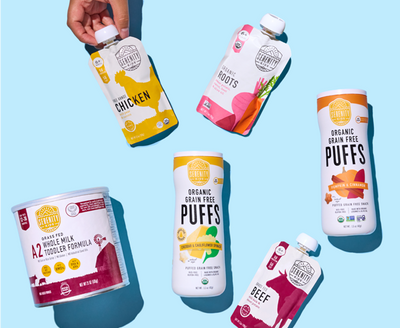
You can easily make your own trail mix with things like raw or roasted pumpkin seeds, sunflower seeds, freeze dried berries, and of course, our grain-free baby puffs!
15. Egg salad
Mash up some hard-boiled eggs and mix with avocado oil mayo (or Greek yogurt), dijon, and seasonings of your choice (we like dill, chives, bacon, and red onion). Serve it alone or spoon it onto grain-free crackers or toast, lettuce cups, or a Siete tortilla.
16. Chicken salad
Similar to egg salad, combine shredded chicken with avocado oil mayo (or Greek yogurt) and your seasonings of choice! Chicken salad is a great make-ahead option to keep in the fridge for the week.
17. Smoothie bowls
Full of fruity flavors, protein, healthy carbs, and the best toppings, you can’t go wrong with these nutritious smoothie bowls for kids. Plus, they're fun to make with your little one!
18. Greek yogurt and berries
This is a super simple combo that is quick and easy, plus delicious and nutritious! If using non-dairy yogurt, mix in a half scoop of grass-fed collagen to get adequate protein.
19. Cottage cheese and berries
If dairy is tolerated, full-fat cottage cheese is a great source of healthy fat and is also a high-protein snack. Top it with a few berries for added antioxidants. Together, they make for a sweet and nutritious snack option.
20. Protein-rich snack box
Mix up snack time with a fun box full of different high-protein-rich foods like string cheese, nuts or seeds, hard-boiled eggs, meat sticks, beef jerky, and more. We like Planet Box stainless steel boxes.
21. Chia seed pudding
Chia seed pudding is a quick and easy make-ahead protein-rich snack. Simply stir chia seeds into full-fat coconut milk (or our A2 Toddler Formula) and add some cinnamon. Let it sit in the fridge until the liquid is absorbed, then top it with a couple of berries.
22. Lentil noodles with butter
Lentil pasta contains protein and is grain-free and picky-eater-friendly. Add some healthy fat and flavor with butter and parmesan cheese, or better yet, meat sauce.
23. Beef jerky or meat sticks
Beef jerky and meat sticks are portable and shelf-stable. Just watch out for added sugar. We like Chomps, New Primal, and Carnivore Crisps.
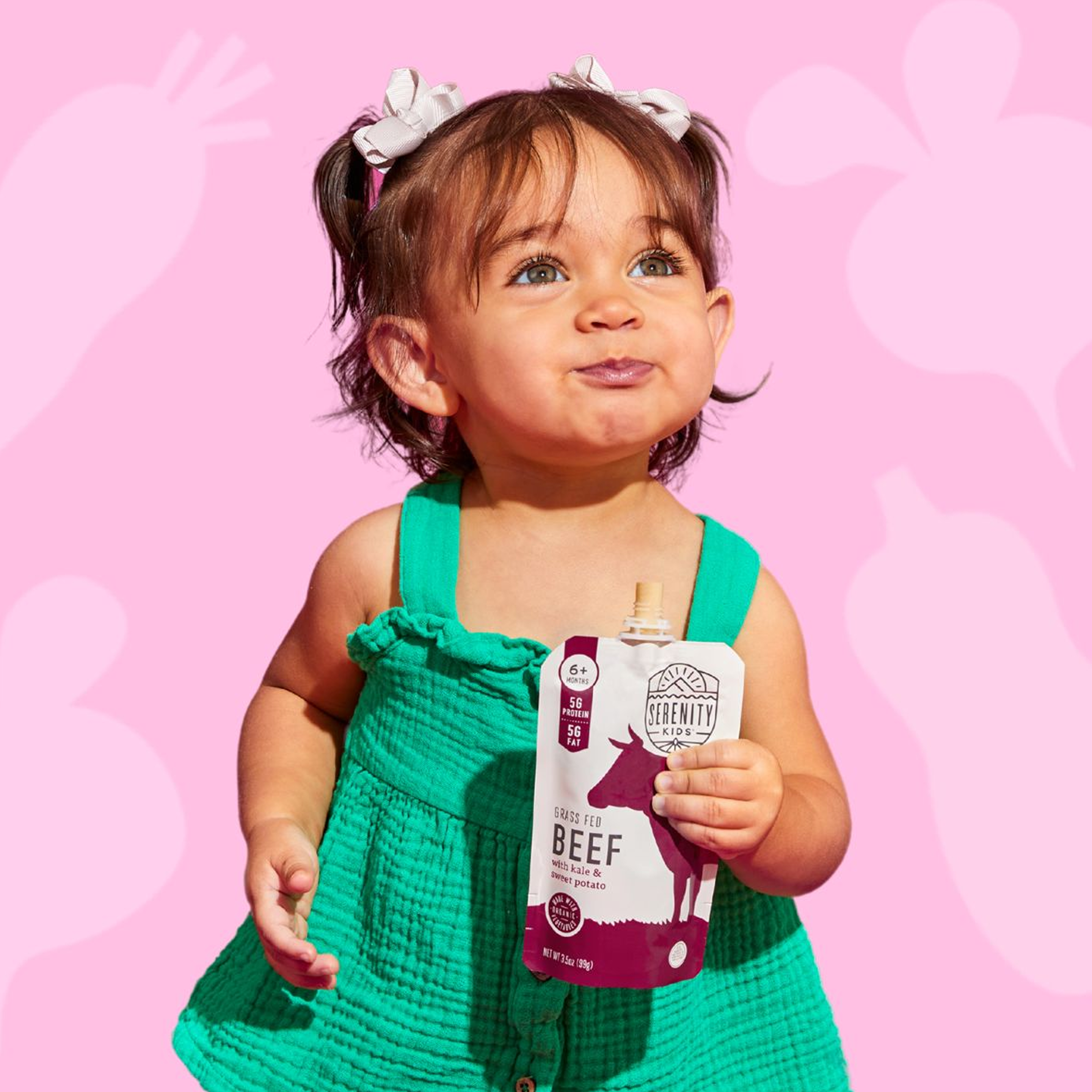
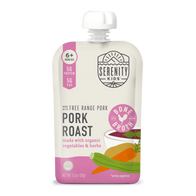
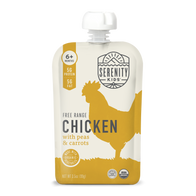
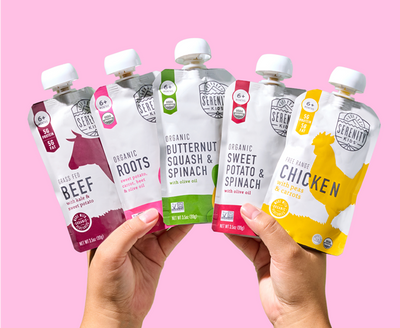
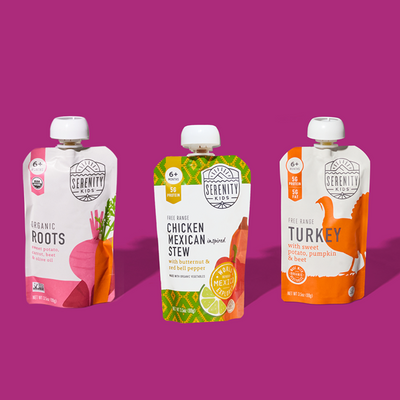
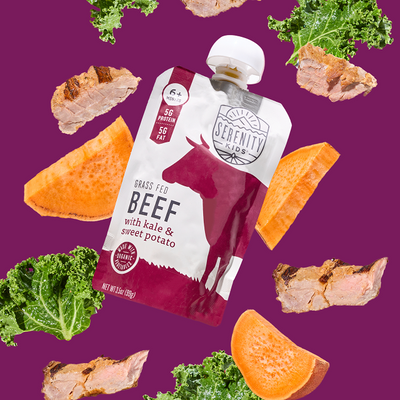
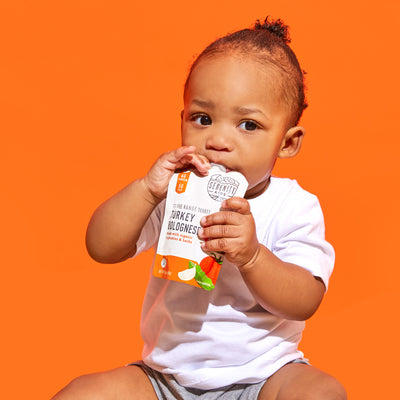
24. Serenity Kids Meat pouches
One of the most convenient protein snacks for kids, our pouches make high-quality protein portable!
25. String cheese
It may seem simple, but string cheese typically has about 8 grams of protein per stick. Go for organic or grass-fed cheese when possible.
26. Hard-boiled eggs
We've mentioned hard-boiled eggs in a few other recipe ideas, but the truth is, they can stand on their own as a perfect mix of protein and fat. Plus, the yolk is loaded with nutrients!
FAQ
Got questions about our favorite protein snacks? We've got answers!
1. Is all protein equal in nutritional value?
Protein from animal sources is superior as its nutrients are more bioavailable than those from plant sources. We discuss why meat is great for babies as a first food due to the benefits of animal protein.
2. How much protein do kids need?
The protein needs of toddlers2 can vary by age, size, activity level, and more. The Dietary Reference Intake (DRI) suggests that 1- to 3-year-olds should get at least 13 grams a day and 4- to 8-year-olds should get at least 19 grams a day. But of course, always consult with a trusted provider for recommendations that meet your child’s unique needs.
3. Is collagen beneficial for kids?
Collagen is great for kids and can play a role in their growth and development. It can help support your baby’s strong bones, healthy gut, and skin repair.
4. Can children eat vegetarian or vegan protein?
While animal protein is more bioavailable, children can certainly eat plant-based foods that contain protein, like beans, lentils, and seeds; however, those foods are often also high in carbs and low in fat, so meals can easily become imbalanced. Processed vegetarian or vegan protein is not recommended. These products are highly processed and contain protein isolates that are hard to digest. They also often contain industrial seed oils.
5. Should children eat protein powder?
Ideally, most protein comes from whole-food animal sources like meat, eggs, and dairy, but including some high-quality animal-derived protein powder can be convenient. Grass Fed Collagen, Grass Fed Beef Isolate, and Grass Fed Whey (if dairy is tolerated) are the simplest. Just be sure to check for any added sugars, additives, or industrial seed oils, and adjust the amount, as a child does not need a full adult serving.
6. Can kids eat meatless burgers?
As mentioned above, meatless burgers are highly processed and tend to contain highly processed forms of protein and oils. Real food, plant-based sources of protein like beans, lentils, and seeds, are more nutritious options if you would rather skip animal protein. Just be sure to be mindful of the carbs and also include enough healthy fats like avocados, coconuts, and olives.
Takeaway
Protein is essential for the growth and development of little ones. We hope you find some fun new inspiration on our list of protein snacks for kids. And be sure to check out our Dairy Free Smoothies for the ultimate in healthy convenience!
Sources:
-
Frontiers in Immunology. The Role of Protein and Amino Acids in Immune Function. https://www.frontiersin.org/journals/immunology/articles/10.3389/fimmu.2021.665968/full
-
Institute of Medicine. 2005. Dietary Reference Intakes for Energy, Carbohydrate, Fiber, Fat, Fatty Acids, Cholesterol, Protein, and Amino Acids. Washington, DC: The National Academies Press. https://doi.org/10.17226/10490