



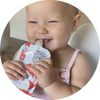


Smoothies can feel like a natural next step when starting solids, but the right timing and approach can feel unclear. Babies can try smoothies around 6 months when they show readiness for solids, since a smoothie is a thick purée in drinkable form.
That said, timing, ingredients, and serving methods matter when making smoothies for babies. Whether you're preparing traditional blends or dairy-free baby smoothies, this guide covers when smoothies might be appropriate, how to serve them safely, what to include (and skip), and when they can be especially helpful.
Best Sellers
They're not just parent favorites—they're little ones favorites too.

Little World Traveler Pack


Power Protein Variety Pack


Can Babies Have Smoothies? When It Might Be Appropriate
When giving babies real food, those who show readiness can typically try smoothies around 6 to 12 months and beyond. This developmental readiness can matter more than a strict age cutoff. Smoothies can fit into different baby food stages, depending on your baby's age, developmental readiness, and the texture and ingredients you choose. Many families find that the right timing depends on their little one's individual progress.
How to Serve Baby Smoothies Safely
How a smoothie is served can matter as much as what goes into it. The right serving method can support oral motor development and might help babies learn healthy drinking habits from the start.
Use an Open Cup Instead of a Bottle or Sippy Cup
Open cup practice can support early oral motor development. An adult can guide a small cup to help babies learn to sip safely. For babies around 9 months and older, transitioning to a sippy cup or straw cup can also work well.
Keep Texture Thick but Drinkable
Similar to puree recipes for babies, families can aim for a consistency that stays on a spoon briefly but remains thin enough to sip. This texture can help babies practice controlled sipping without overwhelming them, likewise making it easier to introduce smoothies to babies.
Start with Simple, Low-Ingredient Blends
For babies 6 to 9 months, families can ask a healthcare provider about using breastmilk or formula as a smoothie base with one or two ingredients. Simple starter combinations include:
-
Banana with spinach
-
Mango with sweet potato
-
Avocado with blueberry
This method also helps to introduce new types of food to your little one, facilitating exposure and later acceptance.
Gradually Increase Complexity for Older Babies
As tolerance grows, families can introduce up to five ingredients or serve smoothie bowls to encourage self-feeding. This progression can help babies explore new flavors while building confidence with varied textures.
What Should Go Into Baby Smoothies? (And What Might Be Best to Avoid)
The ingredients chosen can make the difference between a smoothie that nourishes and one that's fruit juice in disguise. Building balanced blends can require a thoughtful selection of whole food ingredients.
Focus on Simple Fruits and Gentle Vegetables
Evidence suggests that early, repeated exposure to vegetable flavors supports broader palate development for infants and young children ages 4 to 24 months. Introducing vegetables for babies can be simple when mild options like spinach, cooked sweet potato, butternut squash, and carrots blend easily with fruit. For a veggie-forward idea, you can try preparing an organic roots and berries smoothie.
Keep Fruit Amounts Balanced
Too much fruit can increase sugar intake. Families can think in meal-equivalent portions rather than unlimited fruit servings. Fruits like banana, mango, and blueberry can be naturally sweet on their own and might not require additional sweeteners.
Avoid Added Sugar and Sweeteners
Sugar in foods and drinks should be avoided in children under 2 years of age. It is best to skip added sweeteners, especially for those under 1 year.
Choose Whole Food Add-Ins
Whole food nutrition can be preferred in early feeding. Consider these nutrient-dense additions:
-
Avocado for healthy fats
-
Seed butter (if already introduced)
-
Coconut yogurt with no added sugar
-
Coconut cream
-
Chia seeds
These options can help manage how much protein they get alongside healthy fats.
Nutritional Considerations for Baby Smoothies
Smoothies may not provide the same fullness cues as whole foods since babies consume them more quickly than chewed food. They might work best alongside solid foods and finger foods rather than as full meal replacements. Families can ask a healthcare provider or dietitian about serving frequency and portions.
Here are some age-appropriate serving sizes:
|
Age Range |
Recommended Amount |
|
6 to 9 months |
1 to 2 oz |
|
9 months and older |
2 to 4 oz |
|
Slightly larger |
Including vegetables can support nutrient diversity and might help babies develop a taste for savory flavors beyond fruit.
When Baby Smoothies Might Be Especially Helpful
Offering smoothies for picky eaters or teething babies can gently maintain nutrient intake. Cold textures can feel soothing, and blends can be frozen into popsicle molds as helpful home remedies for teething babies.
Families looking for veggie-forward options might want to explore veggie pouches for toddlers. These convenient options can make it easier to incorporate vegetables when whole food offerings are refused.
Smoothies can also give babies a reason to practice with an open cup beyond water. A dietitian or feeding therapist can help with specific concerns.
Simple, Safe First Sips with Baby Smoothies
Smoothies can be a wonderful addition to a baby's feeding journey when aligned with developmental readiness and made with intention. We love smoothies that go beyond fruit to include vegetables, protein, and healthy fats, making them one of many options for the best baby food choices as your little one grows.
Whether blending at home or reaching for pouch smoothies, the goal can remain the same: nutrient-dense, balanced nutrition. Serenity Kids Dairy-Free Baby Smoothies offer 5g of protein from grass-fed collagen, healthy fats from coconut cream, and veggie-forward organic blends with no added sugar. From pouches to smoothies, we design every product to make nutrient-dense feeding simple and genuinely nourishing.
Sources
-
USDA. Guidelines for Feeding Healthy Infants. https://wicworks.fns.usda.gov/sites/default/files/media/document/Guidelines_for_Feeding_Healthy_Infants_Job_Aid.pdf.
-
Community Medical Centers. Drinking from an Open Cup. https://www.cmcwic.org/en-us/About-Us/Blog/drinking-from-an-open-cup,
-
USDA. What is the relationship between repeated exposure to foods and food acceptance? https://nesr.usda.gov/2025-dietary-guidelines-advisory-committee-systematic-reviews/repeated-exposure_acceptance.
-
AAPD. Policy on Early Childhood Caries (ECC): Consequences and Preventive Strategies. https://www.aapd.org/research/oral-health-policies--recommendations/early-childhood-caries-classifications-consequences-and-preventive-strategies/.


