



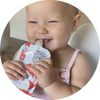


The best fruit to put in smoothies can make or break whether a kid actually finishes the cup. Creamy options like banana and mango can build a thick, velvety base, while berries and pineapple can add brightness and color that might make smoothies more appealing.
Beyond acceptance, diverse fruit exposure through smoothies can support palate development over time. This guide covers which fruits work best, how to balance them with protein and healthy fats, benefits of dairy-free baby smoothies and simple combinations for quick, nourishing options.
Best Sellers
They're not just parent favorites—they're little ones favorites too.

Little World Traveler Pack


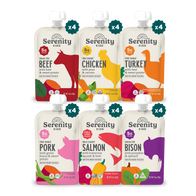
Power Protein Variety Pack


Why Fruit Choice Matters in Kids' Smoothies
It may take 8 to 10 exposures before a young child is willing to accept new food. Fruit choice can shape flavor, texture, color, and overall acceptance. A vibrant, thick fruit smoothie can get more enthusiasm than a thin, pale one. Diverse fruit exposure can also support palate development and take advantage of the flavor window over time.
The best smoothie for kids can go beyond fruit alone, though. You can pair it with protein and healthy fats your baby needs for balanced nutrition.
Best Fruits for Smoothies (Kid-Friendly Favorites)
The best fruits for kid smoothies can work well for flavor, texture, and acceptance, whether fresh or frozen.
Banana Smoothie for Creaminess and Natural Sweetness
Bananas can create a creamy texture and a naturally sweet base without added sweetener. A medium banana provides about 422 mg of potassium and can pair with many smoothie recipe ingredients. Freezing overripe slices can deliver a frostier texture without watering down the banana smoothie.
<H3>Berries for Antioxidants and Natural Color
Berry options can include strawberries, blueberries, raspberries, and blackberries. These berries can provide fiber and vitamin C; for example, 1 cup of strawberries has about 3 g of fiber and 84 mg of vitamin C.
They can also offer antioxidants and often stay less sweet than tropical fruit. Frozen varieties can chill the smoothie blend and create a thick, frosty consistency kids might love.
For nutrient-dense options, organic roots and berries smoothies can be a good starting point. Some parents also add a spoonful of beets baby food for extra minerals and vibrant color.
Mango for Tropical Flavor and Smooth Texture
Mango can produce an incredibly smooth, velvety texture with natural sweetness. 100 g of mango provides about 168 mg of vitamin C, and frozen mango chunks can blend into a creamy consistency without any thickener needed, which might be great for busy mornings.
Pineapple for Bright, Tangy Balance
Pineapple can add a refreshing brightness that might lift heavier blends. A little can go a long way, and even a small amount might transform the flavor when paired with banana or mango.
Kiwi and Melon for Refreshing Variation
One kiwi provides about 58 mg of vitamin C and can bring a tart flavor. Melon options for lighter, more hydrating bases can include watermelon, cantaloupe, and honeydew.
Cucumbers can also add hydration without sweetness. These options keep smoothie routines from getting repetitive while expanding palates.
How to Build a Balanced Kid-Friendly Fruit Smoothie
Fruit can form the foundation, while adding protein, healthy fats, and greens can support a more nutritious smoothie.
Combine Creamy Fruit with Bright or Tangy Fruit
A banana base with berries or pineapple tends to create better acceptance. The creamy base can soften tartness, and brighter fruit can add complexity without any sweetener needed.
Add Greens Without Overpowering Taste
Spinach and kale can blend easily into smoothies, and fruit flavors might mask them well. This is a simple strategy for families learning how to eat more vegetables, especially when encouraging kids to enjoy them. Start with a small handful and increase gradually.
For younger babies at 6 to 12 months or days without fresh greens, parents can blend in a spoonful of baby food with spinach puree for similar nutrients. A registered dietitian may also be consulted for other green smoothie recommendations.
Use Frozen Fruit for Texture and Convenience
Frozen fruit options that can create thicker smoothies without ice include:
-
Avocado
-
Banana
-
Berries
-
Mango
-
Peach slices
Frozen fruits and vegetables can have comparable nutrient levels to fresh options. Portioning ingredients into individual bags can make quick breakfast prep simple.
Fruit Smoothie Recipe Combinations Many Parents Use
These blends can make daily prep easier and might work with whatever's available, even for kiddie smoothie bowls.
Banana + Strawberries + Spinach + Liquid Base for a Creamy Classic Blend
Bananas can build a creamy base while strawberries can add familiar sweetness. Spinach can blend in without changing flavor. Liquid base options can include water, coconut milk, and non-dairy milk.
Mango + Pineapple + Coconut Cream for a Tropical-Style Smoothie
Mango can provide velvety texture while pineapple can add brightness. Coconut cream can bring healthy fats for a richer, more filling result. A handful of kale can boost nutrients without changing the taste.
Blueberries + Banana + Spinach for a Nutrient-Dense Everyday Option
Blueberries can provide anthocyanins, a type of antioxidant compound, along with mild sweetness and deep color. Bananas can soften tartness.
Protein additions can include:
-
Nut butter
-
Chia seeds
-
Flax
-
Hemp seeds
-
Grass-fed collagen
These can also make excellent foundations for healthy protein snacks or smoothies for picky eaters.
<H2>Simple Nutrition Through Everyday Smoothies
A healthy smoothie can be a practical, low-pressure way to support everyday kid nutrition and might serve as one of the best healthy snacks for toddlers. For sustained energy, smoothies can include fruit plus protein and fiber.
How much protein a kid needs varies by age. Our dairy-free smoothies can offer a ready-made option with veggie-forward blends like berry butternut and pumpkin spice. Each can provide 5g of protein from grass-fed collagen and healthy fats from coconut cream, with no added sugars or fruit juice filler.
Whether you prefer homemade or ready-made options, having a few of the best baby food choices and go-to options can take the guesswork out of busy mornings.
Sources
-
Realfood.gov. Dietary Guidelines for Americans. https://cdn.realfood.gov/DGA.pdf.
-
USDA. Bananas, raw. https://fdc.nal.usda.gov/food-details/173944/nutrients.
-
USDA. Strawberries, raw. https://fdc.nal.usda.gov/food-details/2346409/nutrients.
-
USDA. Mango, Ataulfo, peeled, raw. https://fdc.nal.usda.gov/food-details/2710834/nutrients.
-
USDA. Kiwifruit (kiwi), green, peeled, raw. https://fdc.nal.usda.gov/food-details/2710831/nutrients.
-
CNN. Why frozen fruit and veggies may be better for you than fresh. https://edition.cnn.com/2019/05/30/health/frozen-fruit-vegetables-drayer-food/index.html.
-
PubMed Central. Recent Research on the Health Benefits of Blueberries and Their Anthocyanins. https://pmc.ncbi.nlm.nih.gov/articles/PMC7442370/.


