







Protein is one of the most important nutrients for growing kids. It helps build strong muscles, supports steady energy, and fuels healthy development from head to toe. If you are wondering how much protein your child actually needs to consume, you are not alone. Many parents want to support their child’s growth but feel unsure about portions and what really counts as a high-quality protein source. The good news is that meeting your child’s daily protein needs can be simple and delicious with the right foods and a few easy habits. Depending on their age, most children need between 13 and 34 grams of protein daily, which can be met through everyday foods such as eggs, chicken, beef, fish, or yogurt.
It’s important to include protein in every meal to support your little one’s growth. If you start to see signs of low protein, like fatigue or frequent illness, use convenient options like meat-based purées to fill any gaps in their diet. With a few simple habits, you can make sure that your child is eating what they need to thrive.
Why Protein Matters for Growing Kids
Building Blocks for Growth
Protein forms the structure of muscles, bones, organs, skin, and tissues. Kids grow quickly, so their bodies rely on a steady supply of high-quality protein to support that development. Every day, their cells use amino acids to repair, strengthen, and build. When children eat enough protein, they tend to grow well, feel strong, and maintain healthy energy levels.
Energy and Immune Support
Protein helps balance blood sugar levels, which helps keep children from feeling tired or overly snack-hungry. It also plays a key role in supporting the immune system. A well-nourished child is better equipped to fight everyday germs and stay active in school and play.
Best Sellers
They're not just parent favorites—they're little ones favorites too.

Little World Traveler Pack


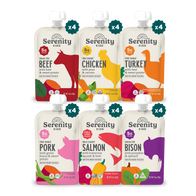
Power Protein Variety Pack


How Much Protein Does a Kid Need Each Day?
Here is a simple breakdown of the general recommended protein intake for children. These ranges are based on widely used pediatric nutrition guidelines and assume protein comes from high-quality sources such as meat, poultry, fish, and eggs.
For families looking for convenient, nutrient-dense options during the early years, products like meat baby food purées and pouches can help ensure little ones meet their protein needs.
Infants and Toddlers (1 to 3 years)
The protein requirements of most toddlers are about 13 grams of protein per day. This amount can be met with small servings of soft, gentle foods like scrambled eggs, yogurt, ground beef, soft chicken, salmon flakes, or other easy-to-chew proteins. Many toddlers go through picky phases, so offering protein in different textures can help you provide the best baby food experience for your little one.
Preschoolers (4 to 5 years)
Preschoolers are more active and often need about 19 grams of protein per day. This can be met with foods like turkey meatballs, chicken tenders, eggs, cottage cheese, or small servings of beef or fish. Balanced meals help keep their energy steady for playtime, preschool, and busy routines.
School-Aged Kids (6 to 12 years)
This age group may need between 19 and 34 grams of protein per day, depending on size and activity level. Healthy protein snacks for kids, such as chicken salad wraps, tuna, hard-boiled eggs, or yogurt, are especially beneficial for those who play sports or have long school days.

Best Protein Sources for Kids
Animal-Based Proteins
These are the most complete and easily absorbed sources of protein. Great options include chicken, turkey, beef, pork, salmon, white fish, eggs, and grass-fed dairy like yogurt or cheese. Meat provides all essential amino acids in one serving and is naturally rich in nutrients such as iron and zinc, which support growth and brain development.
If your toddler suddenly refuses meat, a guide with tips for handling a toddler meat strike can help you understand the phase and offer gentle ways to reintroduce protein.
Plant-Based Proteins (Optional)
Some families choose to include beans, lentils, tofu, and other plant proteins. These can complement animal protein, but do not need to be the primary source. If using plant-based sources, offer a variety to help round out amino acids and nutrients.

Convenient Protein Options
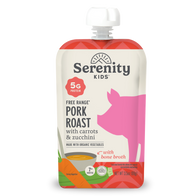
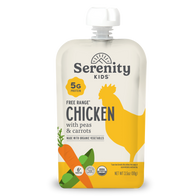
Serenity Kids offers high-quality, kid-friendly meals made with ethically sourced meats and organic vegetables. These options provide kids with complete protein and essential micronutrients. They are invaluable when you need something quick, clean, and nourishing.
How to Tell If Your Child Is Getting Enough Protein
Signs of Too Little Protein
A child may need more protein if you notice:
-
Low energy or easy fatigue
-
Slower growth or loss of appetite
-
Frequent illnesses
-
Weakness or muscle loss
Signs of a Balanced Protein Intake
A child is likely getting what they need if they have:
-
Steady energy throughout the day
-
Healthy growth and muscle tone
-
Good appetite and interest in meals
-
Strong focus and fewer meltdowns related to hunger
For ideas on delicious smoothies to boost protein and nutrition, browse options like those featured in our smoothies for picky eaters guide.
Easy Ways to Add More Protein to Kids’ Meals
Protein-Powered Breakfasts
Try scrambled eggs with spinach, Greek yogurt with berries, or a breakfast sausage with fruit. Many kids do well when protein is included early in the day.

Smart Lunch and Snack Ideas
Offer chicken salad, turkey roll-ups, cheese sticks, or hummus with veggies. Portable options make it easier for kids to stay nourished in school or on the go.
Dinner and Family Meals
Include a lean protein with dinners such as roasted chicken, salmon, beef stir fry, or a hearty chili. These meals help round out the day and keep kids satisfied.
How Much Protein Is Too Much for Kids?
While protein is essential, more is not always better. Too much can strain digestion or crowd out other essential food groups. Most kids naturally regulate how much they need when given balanced meals that include protein, vegetables, fruits, and healthy fats.

Supporting your child’s protein needs does not have to feel complicated. A mix of simple meals, high-quality proteins, and a few creative ideas can help your child grow strong, feel energized, and thrive through every stage of childhood. You know your child best, and small, consistent choices add up to a well-nourished kid.


