







When babies start solids, many parents might notice their little one gradually drinking less milk, which can be completely normal. Breast milk or formula can remain the primary nutrition source through the first year, with baby food pouches and solids playing a supporting role that can slowly grow.
Every baby moves through this transition differently, and varied timelines fall well within normal feeding patterns.
Best Sellers
They're not just parent favorites—they're little ones favorites too.

Little World Traveler Pack


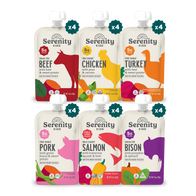
Power Protein Variety Pack


Is It Normal for Babies to Drink Less Milk After Starting Solids?
Yes, this shift can be expected. Early on, parents rarely notice dramatic changes since babies are just getting the hang of eating.
Your baby needs the calories, protein, fat, and hydration that milk can provide during the first several months of solids. During this early stage, babies will still be getting most of their energy and nutrients from breastmilk or first infant formula.
If you’re wondering when to start stage 2 baby food, first portions of solid foods are tiny, such as a few teaspoons here, a soft piece there. Your baby may begin figuring out how to move food around, swallow, and experience new textures.
How Much Milk Do Babies Typically Drink When Starting Solids?
These ranges offer a general reference, not rigid targets. Appetite can naturally shift with teething, growth spurts, and daily mood.
|
Age Range |
Typical Milk Intake |
Solid Food Pattern |
|
Around 6 Months |
24–32 oz per day or 6–8 breastfeeds |
Small tastes 1–2 times daily |
|
Around 8–9 Months |
Slightly reduced; feeds may be shorter or spaced further |
2–3 small meals; growing interest in finger foods |
|
Around 10–12 Months |
Gradually decreasing as solids increase |
Solids become main nutrition source |
Around 6 Months
Many babies continue drinking approximately 24–32 ounces per 24 hours, or breastfeeding 6–8 times a day. As they begin exploring baby food stages from 6 to 12 months, solids can remain limited to small tastes once or twice per day.
Around 8–9 Months
Babies often settle into 2–3 small meals and may show enthusiasm for finger foods and self-feeding. Milk feeds might become slightly shorter or spaced further apart.
Nutrient-dense meals with protein and healthy fats can help fill nutritional gaps, and baby food pouches can offer a convenient way to pack in nutrition.
Around 10–12 Months
Babies gradually need less infant formula as solid food intake grows. By 12 months, solids typically become the main nutrition source within a balanced 12-month-old feeding schedule, with milk moving to a complementary role.
Signs Milk Intake Is Still Supporting Baby Well
We can watch for these positive indicators that a baby is getting adequate nutrition:
-
Consistent growth and energy: Steady weight gain at regular checkups and babies staying active, curious, and engaged.
-
Regular wet diapers: Roughly 6+ wet diapers daily can suggest hydration is appropriate.
-
Interest in both milk and solids: Natural fluctuation between heavier milk days and heavier food days.
Why Some Babies Seem Less Interested in Milk
Developmental changes, physical discomfort, and growing curiosity can all affect daily milk appetite.
Teething and Temporary Discomfort
Sore gums and other signs of baby teething can make sucking uncomfortable. Some babies prefer cooler foods or shorter feeds during these periods. Interest typically rebounds once discomfort passes.
Increased Curiosity and Distraction
Around 6–9 months, babies can become highly aware of their surroundings. Milk feeds may shorten as the world becomes more interesting.
Growing Interest in Self-Feeding
Excitement about textures, flavors, and independence can be a positive developmental sign. For guidance on different feeding approaches, explore benefits of baby led weaning and purees.
How to Balance Milk Feeds and Solid Meals
Flexibility and responsive feeding can matter more than rigid schedules. Here are practical strategies to support this transition:
Offer Milk Before Solids in the Early Stages
Slowly introducing solids can help babies adjust. Many parents find that one small midday meal works well. Many families also offer milk before solids to maintain intake while foods are still new. Closer to 9 months, some families flip this order.
Watch Hunger and Fullness Cues
Babies can communicate their needs through clear signals:
-
Hunger cues: Leaning in, opening the mouth, and reaching for food
-
Fullness cues: Turning away, closing mouth, or pushing food away
Practicing responsive feeding and the division of responsibility can support a healthy relationship with food.
Allow Feeding Patterns to Evolve Gradually
Some babies reduce milk feeds earlier while others continue drinking more for longer. Key considerations can include steady growth and a balance of milk and nutrient-dense solid food.
When Parents Might Consider Talking With a Healthcare Professional
Most feeding shifts during this stage can fall well within normal range. A healthcare provider can offer personalized guidance when concerns arise, such as:
-
Persistent refusal of both milk and solids over multiple days
-
Fewer wet diapers or signs of dehydration
-
Ongoing feeding struggles causing significant stress
-
Concerns about growth or weight gain
When you’re concerned about any of these issues, you may seek the help of a healthcare professional for a more informed approach.
Support the Transition to Solids with Simple, Nutrient-Dense Foods
As milk intake decreases, the nutritional quality of a baby's diet can become increasingly important. Some conventional baby foods can be sweeter or more carb-heavy, so checking ingredient labels and nutrition facts can help families compare options. Look for the best sources of protein for babies, healthy fats, organic vegetables, and minimal added sugars.
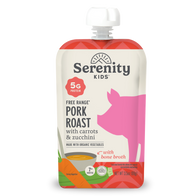
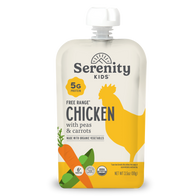
The best baby food from Serenity Kids can offer grain-free pouches, savory veggie blends, and protein-rich options made with ethically sourced meats. These organic baby food options can complement milk feeds during this transition.
FAQs
Why Is My Baby Drinking Less Formula After Starting Solids?
Many babies naturally drink less milk as they explore new foods. This gradual decrease is typically nothing to worry about when growth and diaper output remain normal.
<H3>How Much Milk Should a 6-Month-Old Drink While Eating Solids?
Many 6-month-olds still drink 24–32 oz daily, with solids acting as a gradual introduction rather than a replacement.
Is It Okay If My Baby Prefers Solids Over Milk?
Enthusiasm for solids can be a great sign, and milk can remain important through the first year. Consistent refusal of milk may be worth discussing with a healthcare provider.
Can Solids Replace Milk Feeds at 6 Months?
Not typically. Solids can be introduced alongside milk feeds, with more gradual shifts happening later in infancy as families navigate when babies stop drinking formula.
What Foods Can Help Support Healthy Growth During Weaning?
Nutrient-dense, grain-free foods with quality protein, healthy fats, and varied vegetables can make strong choices during this transition. Options like bone broth for babies can provide nutritional support.
Sources
-
NHS. Your baby's first solid foods. https://www.nhs.uk/baby/weaning-and-feeding/babys-first-solid-foods/.
-
Mississippi State Department of Health. Infant Feeding Guide: Typical Daily Portion Sizes (Serving sizes may vary with individual infants). https://msdh.ms.gov/msdhsite/index.cfm/41%2C8592%2C128%2C92%2Cpdf/InfantFeedingGuide.pdf,
-
CDC. How Much and How Often to Feed Infant Formula. https://www.cdc.gov/infant-toddler-nutrition/formula-feeding/how-much-and-how-often.html.


