







Introducing solid foods is one of the most exciting milestones in your baby’s life. One of the ideal first foods is butternut squash—a naturally sweet, nutrient-dense winter squash that’s gentle on delicate tummies. In this comprehensive guide, we’ll explain why butternut squash is an excellent choice for your baby, walk you through various methods on how to cook butternut squash for baby, and provide practical tips for storage, serving, and adjusting textures as your baby grows. Whether you’re making a smooth butternut squash puree for first foods, serving tender roasted butternut squash finger foods for baby-led weaning, or preparing a comforting butternut squash soup, you’ll find plenty of helpful advice here. For more details on its benefits, be sure to check out our post on the Benefits of Butternut Squash for Babies.
In this guide, we cover:
-
How to Cook Butternut Squash for Baby (steaming, roasting, and boiling methods)
Best Sellers
They're not just parent favorites—they're little ones favorites too.View All
 Rated 4.8 out of 5 stars241 Reviews
Little World Traveler Pack
18 Ct.$79.9518 Ct.Subscribe $55.97

 Rated 4.9 out of 5 stars988 Reviews
Power Protein Variety Pack
24 Ct.$104.9524 Ct.Subscribe $73.47


-
Storage and Serving Suggestions for Homemade Baby Food
-
Practical Tips for Cooking Butternut Squash for Babies
-
Why Butternut Squash is an Ideal First Food


Our friendly, step-by-step instructions and useful Serenity Kids product recommendations ensure you have all the information you need to make delicious, nutritious baby food safely and easily.
How to Cook Butternut Squash for Baby

Learning how to cook butternut squash for a baby is all about choosing the right cooking method to achieve a safe, digestible texture while preserving its nutritional value. Here, we detail three popular cooking methods: steaming, roasting, and boiling.
Steaming Butternut Squash
Steaming is one of the best methods to cook butternut squash for baby. It preserves vitamin C and fiber while ensuring the squash becomes soft and fork-tender—perfect for blending into a smooth puree.
Steps for Steaming:
-
Preparation:
-
Wash and Peel: Use a vegetable peeler to remove the tough outer skin of your fresh butternut squash (or frozen butternut squash, if fresh isn’t available).
-
Cut in Half: Carefully cut the squash in half lengthwise using a sharp knife, then scoop out the seeds with a spoon.
-
Cut into Cubes: Dice the squash into uniform cubes to ensure even cooking.
-
Steaming:
-
Place the cubes in a steamer basket over a pot of boiling water.
-
Cover with a lid and steam for 20-25 minutes until the squash is fork-tender.
-
Pureeing:
-
Transfer the steamed squash to a food processor or use an immersion blender.
-
Blend until you achieve a smooth puree, adding a little water, breast milk, or formula to reach your desired consistency.
-
Serve:
-
Let the puree cool to room temperature before serving it to your baby.
This method is ideal for creating a completely smooth butternut squash puree—perfect as a first food for 6-month-old babies.
Roasting Butternut Squash
Roasting butternut squash enhances its natural, nutty flavor and caramelizes the edges, making it even more appealing to babies as a finger food. This method works well for babies who are ready for some texture and self-feeding.
Steps for Roasting:
-
Preparation:
-
Preheat the Oven: Heat your oven to 400°F (200°C) and line a baking sheet with parchment paper.
-
Wash, Peel, and Cut: Wash your butternut squash, peel it using a vegetable peeler, and cut it in half lengthwise. Scoop out the seeds, then cut the squash into small, bite-sized cubes or leave as squash halves and then cut into smaller pieces.
-
Roasting:
-
Toss the pieces lightly with olive oil.
-
Spread them out on the baking sheet and roast for 35-45 minutes until they are fork tender and slightly caramelized on the edges.
-
Serving Options:
-
For purees: Transfer the roasted squash to a food processor or potato masher and blend until smooth.
-
For finger foods: Allow the roasted squash to cool, then serve in bite-sized pieces—ideal for baby-led weaning.
Roasting not only makes the squash deliciously sweet but also creates textures that help develop your baby’s fine motor skills and chewing abilities.
Boiling Butternut Squash

Boiling is a quick and effective way to cook butternut squash for a baby, though it can cause some water-soluble nutrients like vitamin C to leach into the water. To minimize nutrient loss, avoid overcooking..
Steps for Boiling:
-
Preparation:
-
Follow the same initial steps as with steaming: wash, peel, cut the squash in half, scoop out the seeds, and cut into cubes.
-
Boiling:
-
Place the cubes in a large pot filled with water.
-
Bring the water to a boil and cook for about 25 minutes until the squash is fork tender.
-
Pureeing:
-
Drain the water, but if desired, reserve a small amount to help achieve your desired consistency.
-
Blend the cooked squash in a food processor or with an immersion blender until smooth, adding a splash of water or breast milk as needed.
-
Serve:
-
Allow the puree to cool before serving it to your baby.
While boiling is a straightforward method, steaming or roasting is often preferred to retain more nutrients and flavor.
Storage and Serving Suggestions for Homemade Baby Food

Once you’ve cooked your butternut squash, proper storage and creative serving suggestions can help ensure you always have a nutritious meal ready for your baby.
Freezing for Convenience
Batch-cooking and freezing are excellent strategies for busy parents. After preparing your smooth butternut squash puree, you can portion it out for easy, nutritious snacks for toddlers that are ready whenever you need them:
-
Portion It Out: Spoon the puree into ice cube trays to freeze individual servings.
-
Store Safely: Once frozen, transfer the cubes into freezer bags labeled with the date. This way, you’ll have pre-portioned servings that you can easily thaw when needed.
-
Maintain Nutritional Calories: Freezing helps preserve the nutrients, including vitamin C and beta carotene, ensuring that each serving remains as nutritious as when freshly made.
Serving Suggestions
To keep mealtime exciting and nutritionally balanced:
-
Mix with Other Foods: Combine your butternut squash puree with other pureed meats or vegetables, to create varied flavors and boost nutritional content.
-
Incorporate into Soups: Blend the puree into a warm butternut squash soup with a hint of cinnamon or nutmeg for a comforting meal, especially during cold and flu season.
-
Finger Foods: As your baby develops, serve small, soft pieces of roasted butternut squash that are cut in half into bite-sized pieces, encouraging self-feeding and supporting baby-led weaning.
-
Adjusting Textures: Gradually transition from smooth purees to thicker mashed foods by simply mashing with a potato masher or leaving a few small lumps for added texture. This helps your baby get accustomed to more complex food consistencies as they grow.
Adjusting Textures as Baby Grows
As your baby’s age increases, so does their ability to handle different textures. Start with a completely smooth butternut squash puree for 6-month-olds, and then:
-
For 7 Months: Introduce slightly thicker purees and mashed foods.
-
For 8 Months: Begin offering soft finger foods and small pieces that are easy to grab.
-
For 9-12 Months: Incorporate a mix of purees, mashed foods, and finely chopped items that resemble family meals. Always ensure that the food is fork tender and cut into bite-sized pieces to reduce any choking risk, following toddler meal ideas that promote both nutrition and safe eating habits.
Practical Tips for Cooking Butternut Squash for Babies

To ensure success when preparing butternut squash baby food, follow these tips:
Choose the Right Squash
Select fresh, firm butternut squash with an even, vibrant orange color. If using frozen butternut squash, check that it contains only one ingredient..
Keep It Simple
Use minimal ingredients to highlight the natural flavor of butternut squash. A simple recipe—using just squash, a bit of water or little breast milk, and a drizzle of olive oil—is all you need for a quick introduction to butternut squash.
Monitor Baby’s Reaction
Always observe your baby’s response when introducing new foods. Look for signs of readiness and enjoyment, such as smiling or reaching for the spoon. Adjust portion sizes and textures based on your baby’s hunger cues and developmental readiness. Remember, every baby is unique, and it’s completely normal for their appetite to vary.
Why Butternut Squash is an Ideal First Food

Butternut squash is a standout among other baby food options due to its unique nutritional profile, natural sweetness, and ease of preparation. Whether you’re wondering how to cook butternut squash for baby or looking for a versatile ingredient that can be transformed into pureed butternut squash or roasted butternut squash finger foods, this winter squash is a top choice.
Packed with Baby-Friendly Nutrients
Butternut squash is loaded with essential vitamins and minerals that are crucial for your baby’s growth and development. Its vibrant orange color signals a high concentration of beta carotene—an antioxidant that the body converts into vitamin A, which is vital for eye health and cognitive development. It’s also rich in vitamin C, which supports the immune system, and provides potassium for maintaining healthy blood pressure. In addition, the fiber in butternut squash aids digestion and supports a healthy gut microbiome. These health benefits of butternut squash make it a nutritional powerhouse that supports overall health and helps reduce the risk of chronic diseases later in life.
Naturally Sweet and Easy to Digest
One of the reasons parents love butternut squash for baby food is its natural sweetness, which many babies find appealing. When cooked, butternut squash transforms into a smooth, creamy texture that is easy to blend into a soft, smooth puree—ideal for starting solids. Unlike raw butternut squash, which can be too tough for young babies, cooked squash is gentle on the belly, making it a safe and effective first food.
Versatile and Simple to Prepare
Butternut squash is incredibly versatile. You can easily prepare it in a variety of ways—whether you choose to steam, roast, or even boil it. It works beautifully as a smooth puree, a slightly textured mashed food, or soft finger foods for baby-led weaning. Its adaptability allows you to incorporate it into a range of butternut squash recipes, from sweet and savory dishes like butternut squash soup and pasta sauces to innovative additions in gluten-free baked goods like muffins or pancakes. With minimal ingredients needed, it’s a simple recipe that highlights the squash’s natural flavor while ensuring your baby receives all the essential nutrients.
Final Thoughts

Butternut squash is a nutritional powerhouse with benefits ranging from supporting eye health and immunity to aiding digestion. This versatile winter squash is an ideal first food that grows with your baby—from smooth purees to mashed foods and soft finger foods that encourage self-feeding.
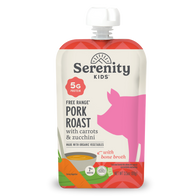
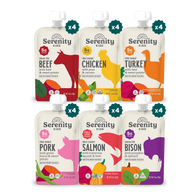
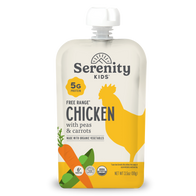
For busy parents looking for convenience without compromising quality, Serenity Kids offers a range of ready-made, grain-free baby food options. Our Veggie Pouches, Meat Pouches, Smoothie Pouches, and Veggie Puffs, along with Grass-Fed A2 Whole Milk Formula, provide nutritious, high-quality foods that support healthy eating patterns—perfect for busy days and a practical addition to your baby food routine.
Here’s to a healthy, happy baby discovering the wonderful world of solid foods!
Butternut Squash for Babies FAQs
Q: What makes butternut squash an ideal first food for babies?
A: Butternut squash is packed with essential nutrients such as beta carotene, vitamin C, and potassium, which support eye health, immune function, and overall growth. Its natural sweetness and smooth texture—when cooked into a pureed butternut squash—make it easy to digest, and its versatility allows it to be adapted for various stages of weaning.
Q: How do I cook butternut squash for baby safely?
A: You can cook butternut squash by steaming, roasting, or boiling it. Steaming and roasting are often preferred because they preserve more nutrients and result in a smooth, fork-tender texture. Always peel the squash, cut it in half to scoop out the seeds, and cut it into cubes or bite-sized pieces. Use a food processor or immersion blender to achieve a smooth puree if needed, and adjust consistency with a little breast milk or water.
Q: How can I store and serve butternut squash baby food?
A: Once prepared, you can portion the butternut squash puree into ice cube trays for freezing, then transfer the frozen cubes to a freezer bag for later use. When serving, mix the puree with other foods like pureed meat, fish, or veggies, or offer soft, roasted pieces as finger foods for baby-led weaning. Always ensure that the food is cooled to a safe temperature before serving.
Q: What practical tips should I follow when making butternut squash baby food?
A: Choose fresh, firm butternut squash for the best flavor and nutritional value. Keep your recipes simple—using minimal ingredients—to let the natural sweetness shine through. Monitor your baby’s reaction to new foods and adjust textures gradually, from smooth purees to mashed foods and soft finger foods, based on your baby’s developmental readiness.
Q: How do Serenity Kids products fit into a baby’s feeding routine?
A: Serenity Kids offers a range of nutritious, ready-made baby food options designed for every stage of weaning. From Veggie Pouches and Smoothie Pouches for 6-month-olds to Meat Pouches and Veggie Puffs for older babies, these products provide a convenient, high-quality supplement to your homemade foods, ensuring your baby gets balanced nutrition even on busy days.


