





When your baby has diarrhea, it can feel like chaos with messy diapers, outfit changes, and endless laundry. It’s exhausting and worrying all at once. The good news is that diarrhea is common in babies and usually not a sign of anything serious. However, it's essential to monitor and ensure that your child receives proper care. The right foods and fluids can help your baby stay comfortable and recover more quickly.
How Diarrhea Affects Babies
Diarrhea can leave babies feeling weak and cranky because their little bodies lose fluids and nutrients much faster than adults. When dehydration sets in, it can affect essential body functions since babies’ organs and cells depend on a steady balance of water and electrolytes. It also disrupts digestion and nutrient absorption, slowing recovery if not addressed promptly. This can cause diarrhea to linger longer. Because their digestive systems are still developing, even a small imbalance can cause discomfort. Adjusting what your baby eats and drinks helps restore that balance, supports their digestive health, and gives their gut time to heal.

What to Feed Baby with Diarrhea
When choosing food for an infant with diarrhea, keep it simple, gentle, and nourishing. Focus on hydration first, then reintroduce soft, easy-to-digest foods that provide energy and nutrients without irritation.
Hydration First – Fluids & Oral Rehydration Solutions
Hydration is the most important step. Offer breast milk or formula frequently since they’re naturally balanced with electrolytes and nutrients. If your baby is over 6 months of age, your doctor may recommend small sips of water or a pediatric oral rehydration solution to replace lost fluids. For toddlers over 1 year old, toddler formula is made with A2 protein, which is easier to digest and gentle on sensitive tummies.
Best Sellers
They're not just parent favorites—they're little ones favorites too.

Little World Traveler Pack


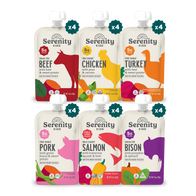
Power Protein Variety Pack


Steamed or Mashed Vegetables
Once hydration is under control, start with soft, mild vegetables like carrots, sweet potatoes, or squash. They’re rich in nutrients, easy to digest, and gentle on your baby’s stomach. Steam or bake them until very tender, then mash or puree before serving. These veggies provide natural carbohydrates and minerals to help your baby regain strength without upsetting their stomach. Keep in mind the general dos and don’ts when introducing solids to help keep the transition between feeding stages smooth.
Gentle Proteins (Chicken, Turkey, Yogurt)
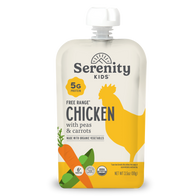
Proteins support healing and energy, but need to be easy on digestion. Try small portions of plain shredded chicken or turkey that are soft and well-cooked. These lean meats provide amino acids that help repair intestinal tissue.
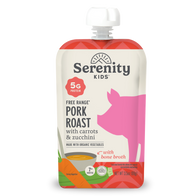
If your baby tolerates dairy, grass-fed yogurt with live probiotics can help restore healthy gut bacteria. Dairy-free smoothies and meat food pouches are convenient, nutrient-dense, and tummy-friendly alternatives.

Foods to Avoid During Diarrhea
Certain foods can make diarrhea worse or slow recovery. Knowing what can cause diarrhea helps parents protect their baby’s sensitive digestive system.
Sugary Drinks and Juices
Skip fruit juices, sweetened beverages, and sports drinks. The high sugar content draws more water into the intestines, worsening diarrhea and dehydration.
Fried or Greasy Foods
Avoid anything fried or oily, as these are hard to digest and can irritate the stomach. Stick with steamed, baked, or boiled foods instead.
Grass-Fed Dairy (Except Yogurt)
While grass-fed yogurt with probiotics can be beneficial, other dairy products like milk, cheese, and cream may cause bloating or discomfort. Babies recovering from diarrhea often have temporary lactose sensitivity, so it’s best to wait until digestion stabilizes.
High-Fiber Foods
Raw vegetables, beans, and fibrous fruits can be tough on your baby’s gut. Even though these are healthy under normal circumstances, they can increase stool frequency during recovery. Wait until your child’s bowel movements return to normal before reintroducing these foods.
Spicy or Seasoned Foods
Avoid spicy dishes or heavily seasoned meals, as these can irritate an already sensitive stomach. When your baby is feeling better, gentle flavors can be reintroduced through baby food pouches. You can find recipes that offer balanced seasoning and gentle herbs that are safe for developing palates once digestion has settled.

Caring for Your Child During Diarrhea
Food is only part of recovery. Comfort, monitoring, and patience play a big role, too. Regular pediatric care visits can be beneficial.
Watching for Signs of Dehydration
Keep an eye out for fewer wet diapers, dry lips, or unusual sleepiness as these can signal dehydration. Offer fluids more often and call your pediatrician if symptoms persist. Get the scoop on poop to find out what’s normal (and what’s not) to learn more about healthy digestion and baby poop patterns.
Offering Smaller, Frequent Meals
Instead of large meals, offer small portions more often. This gives your baby’s digestive system time to absorb nutrients without overwhelming it. Even if appetite is low, frequent small feedings help maintain energy.
Consulting Your Pediatrician
If your baby’s diarrhea seems worse than usual or doesn’t improve after a day or two, it’s a good idea to reach out to your pediatrician. Babies can dehydrate quickly, which can affect their organs and cells because their tiny bodies lose water and electrolytes faster than older children. Contact your pediatrician right away if your baby:
-
Has a fever or is vomiting
-
Has fewer than six wet diapers in 24 hours or cries without tears
-
Experiences persistent watery stools, blood in the stool, or seems unusually tired or irritable
-
Is under three months old or was born prematurely
A lactation consultant or pediatric specialist can also help you determine if feeding techniques or sensitivities are contributing to the problem. A quick chat with your pediatrician can help ease your worries and make sure your baby gets the care they need.

Final Thoughts
Diarrhea can be stressful for both you and your baby, but it usually passes within a few days. Focus on hydration, gentle foods, and lots of cuddles while your baby’s tummy settles. Every baby’s recovery is unique, so give them time and reassurance. Adapt your child's diet to their specific needs. With the right treatment and diet, most cases will stop naturally and prevent future flare-ups. Remember, mild diarrhea can often resolve at home, but severe or persistent symptoms always need medical attention to properly treat your child.
For easy, nourishing meal ideas once your baby’s feeling better, explore the best baby food, including organic, veggie-forward recipes with clean ingredients designed to support digestion and overall health.


