








For the first six months of your baby’s life, all of their nutrition comes from either breast milk, formula, or a combination of both. While you were eagerly waiting for your baby to show readiness for solid foods, you might now feel overwhelmed with the feeding process.
You may ask yourself about when and how to offer them various foods, especially meat. Although meat may seem a little intimidating at first, it’s packed with complete protein, vitamins, antioxidants, and key nutrients that are crucial for your baby’s growth—and it’s actually easy for your baby to digest starting at around six months of age.
In this article, we'll explore the nutritious benefits of feeding your baby meat, tips for introducing meat to your baby, how to prepare meat according to age, and the potential risks associated with feeding meat to your baby. We'll also provide delicious, baby-friendly meat recipes and discuss meat alternatives.
All you need to know about giving meat to a baby
Meat is power-packed with nutrients babies need as they grow.
Best Sellers
They're not just parent favorites—they're little ones favorites too.


Little World Traveler Pack


Power Protein Variety Pack


Meat is an excellent source of high-quality protein, which plays an essential role in many bodily functions. It helps provide the body with energy, repair tissues, and develop organs — all of which are crucial for your baby’s growing body. Beef, turkey, chicken, pork, and fish are also some of the best sources for bioavailable vitamins and nutrients, such as zinc and iron, which help support babies' immune systems and brain development.
Is it healthy to give meat to a baby?
Once your baby is at least six months of age and has started to demonstrate the main signs of readiness to begin eating solids, you can introduce meats. While it might seem like meat could be tough to digest, that isn’t the case. A baby’s tummy contains all the enzymes necessary to digest meat and other animal products.
While the specific nutrition will vary depending on the type of meat you choose, offering your little one a variety of meats is a great way to incorporate different nutrients into your baby’s diet, while also taking advantage of the flavor window to expose babies to savory flavors.
How can you choose and store meat for your baby?
In most cases, babies can eat any kind of meat. Introducing them to different types of meat will also offer a wider range of vitamins and nutrients. We recommend choosing high-quality raising practices such as grass-fed beef and free-range poultry.
In addition to the usual choices, babies can also eat nutrient-rich organ meats. Some common organ meats include:
-
Liver, which is rich in vitamin A, iron, and zinc (Check out our article on How to Make Liver Bone Broth, which is a great way to get your baby some extra nutrients)
-
Heart, which is rich in iron, zinc, selenium, and folate
-
Kidney, which contains omega 3 fatty acids
How to introduce meat to a baby?
Whether it's beef, pork, or chicken, cooking it properly is key. Meat can have a texture that is tougher than many other foods, so you may have to slightly alter how you prepare it, based on the age of your child. Serving meats like steak in age-appropriate forms reduces the risk involved with feeding. It’s important to pay attention to your child’s current development, such as how well they are able to chew, when deciding how to introduce meat into their diet.
Experts generally suggest preparing purees or pre-chewing (also called premastication) meat for younger babies, while shredded, ground, and cubed meats are usually acceptable for older babies and toddlers. This will help ensure that your child is getting the nutritious benefits of meat, regardless of their age.
5 reasons why it’s a great first food
#1 It is easy to digest
Our modern culture has led us to believe that refined grains and cereals are a great first food as they are bland and easy to digest. But the reality is, grains and cereals have little valuable nutrition (and what they do have is generally just fortified with synthetic vitamins) and can actually irritate your baby’s digestive tract. The transition to cooked baby foods can be seamless when handled correctly.
A baby’s stomach more easily digests proteins and fats than starches. Meat is a digestible complete protein, and tends to be of higher nutritional value than grains, beans, and other plant sources. That means that more of the protein from meat is effectively absorbed and used by the body. Considering that much of a baby's food may end up on the floor, on themself, or on you, efficiency is key!
#2 It has healthy fat
Fat is critical for brain development, hormone regulation, and supporting the immune system. Fat is also needed for a baby's digestive system to absorb fat-soluble vitamins like A, D, E, and K. Saturated and monounsaturated fats also increase intestinal absorption of calcium necessary for rapid growth. Fats are also satiating foods, which means that just like adults, they help babies feel full longer. There is a reason that human milk is high in fat - because babies need it!
#3 It is savory, not sweet
Studies have shown that infants are biologically wired to prefer sweet tastes, and those tastes are further developed through the consumption of breastmilk and/or formula for the first several months of life. But just because babies prefer sweet tastes doesn’t mean that they need to consume high-sugar foods when introducing solids. In fact, just the opposite - they already like sweet tastes, so it’s time to introduce them to something new!
Offering new foods helps diversify a child's diet. And the good news is, you don’t have to use sweet as the default. Studies have shown that taste preferences are malleable and develop in response to a number of social and environmental factors. This period of taste preference development is called the flavor window, and it is most open during the period from 6-18 months.
That means you have a pretty incredible opportunity to influence babies' tastes for life. Because babies exposed to a variety of foods can learn to like more complex and unique flavors, like bitter and sour. You just have to introduce them! And be persistent - research shows that it can take up to 15 exposures for a baby to “learn” to like a taste. It’ll be worth the investment, promise.
#4 It is full of the nutrients babies really need
Babies go through very important and specific developmental processes, and they rely heavily on certain nutrients to successfully grow and develop properly. That means that these specific nutrients are particularly critical to incorporate as Baby’s first foods:
-
Vitamin B12: Vitamin B12 is used in many metabolic processes and is important for neurological health (including playing a role in myelination from early fetal development all the way through early adulthood). The best sources of vitamin B12 are animal products like meat, fish, shellfish, poultry, and eggs.
-
Zinc: Zinc plays a role in growth, development, neurological function, immune function, and cell metabolism. Zinc deficiency can impair children’s physical growth and increase their susceptibility to infection, so adequate intake is important for preventing “failure to thrive.” The best sources of zinc are organ meats, grass-fed and pastured meats, shellfish, and crustaceans.
-
Iron: Most newborns have sufficient iron stored in their bodies for about the first 6 months of life, depending on gestational age, maternal iron status, and timing of umbilical cord clamping. However, by the time they hit 6 months, infants typically require an external source of iron apart from breast milk. In fact, babies 7-12 months need 11 mg of iron each day to support proper growth and neurological development. For reference, an adult male only needs 8 mg, and a menstruating female needs 18 mg - babies need a LOT of iron! It’s also important to note that heme iron (from animals) has higher bioavailability than non-heme iron (from plants). That means that iron from animals is better absorbed than iron from plants.
Note, these aren’t the only nutrients that babies need. They also need vitamins A, C, and D, plus calcium, iodine, and omega-3 fats (especially DHA), which is why we also recommend eggs, organ meats, fatty fish, sweet potatoes, squash, sea vegetables, green vegetables, and full-fat grass-fed dairy, when tolerated.
#5 It’s versatile
Meat can be served as a smooth puree, a chunky puree, in large strips for baby to gnaw on, or as softer smaller pieces (like meatballs or braised meat) for baby to gum down.
Meat can also be seasoned in a variety of ways to enhance its flavor or to introduce new flavors through spices and herbs. Seasonings can help to further develop the palate while also adding some bonus nutritional value.
How can you prepare healthy, delicious meat for a baby according to age?
While we love the Baby-Led Introduction to Solids (BLISS) method, which combines both purees and baby-led weaning, you may choose to follow a more traditional approach when you prepare meat for your baby. This generally consists of starting with purees and working up to small pieces of food as they get older and better at chewing.
To learn more about the BLISS method of introducing solids, visit our article on Introducing Solids: Why We Love Both Baby-Led Weaning and Purees.
Meat for a 6-old-month baby
Purees are a great option for many parents who don’t feel ready to give their 6-month-old baby tougher textures or meat prepared in other ways. Not only is there less risk of choking with purees, it may be easier to provide more nutrients and flavors to their diet.
Simply cook your chosen meat and puree it in a blender or food processor until it’s a smooth consistency. Add water, breast milk, or bone broth to thin as needed. You may find that your baby does better with thinner purees to start, but quickly learns to handle thicker consistencies.
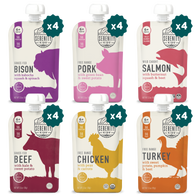
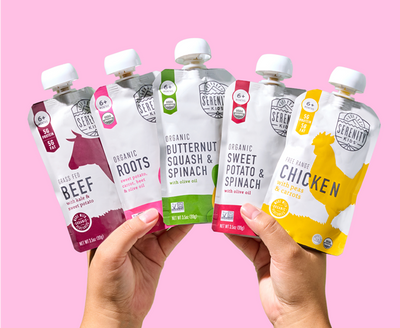
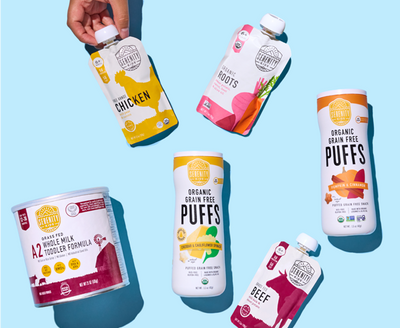
If you don’t have time to make it yourself or aren’t interested in premastication, Serenity Kids Ethically Sourced Meats Variety Pack and Bone Broth Variety Pack are convenient and nutritious options for babies who aren’t quite ready to handle shredded or smaller cut meat.
Meat for a 9-month-old baby
As your baby gets older, they’ll be able to better handle chewing and digesting larger, solid pieces of food. This is a great time to begin giving your baby finger foods, like shredded or thinly sliced meat.
This will also help develop their motor skills, like the pincer grasp, as they learn to pick up food and bring it to their mouth. To learn more about the pincer grasp, see our article on What is the pincer grasp and when do babies develop it.
Meat for toddlers
Once your child has shown that they can safely handle shredded meats, you can begin giving them smaller pieces of meat, like ground chicken or beef. By this time, their pincer grasp should be well-developed, making it easier for your little one to pick up the smaller pieces of finger food. They also likely have teeth coming through that will help chew up pieces of meat. Chicken, steak, and tender pork pieces can be part of their diet.
Meat plays a crucial role as a primary protein source and provider of essential nutrients for toddlers. Try to serve toddlers a variety of cooked meats to entice their palates. However, it is not uncommon for toddlers to experience a period of resistance towards consuming meat, which is often referred to as a "meat strike." If you're interested in learning more about this phenomenon and gaining helpful insights on dealing with toddlers refusing to eat meat, we recommend reading our article on "Tips for a Meat Strike".
Delicious meat recipes that will satisfy your baby’s palate
While babies can often just eat a version of whatever you’re having for dinner, here are some delicious meal ideas to help encourage your baby to eat meat.
Homemade uncured bacon baby food
Pork contains the fatty acids EPA and DHA⁴, which are critical for normal brain development and function.
This homemade baby food recipe uses uncured bacon, ground pork, butternut squash, and spinach to provide your little one with a boost of vitamin D and vitamin E.
See our Homemade Bacon Baby Food Recipe.
Savory toddler pancakes
This recipe incorporates our 100% Grass-Fed Bison Food Pouch with Organic Kabocha Squash & Spinach with egg, ricotta cheese, and vegetables.
See our Savory Pancakes recipe.
Toddler-Approved Beef & Broccoli
We love that this recipe literally takes ten minutes or less (while still packing in balanced nutrition thanks to nutrient-dense ingredients).
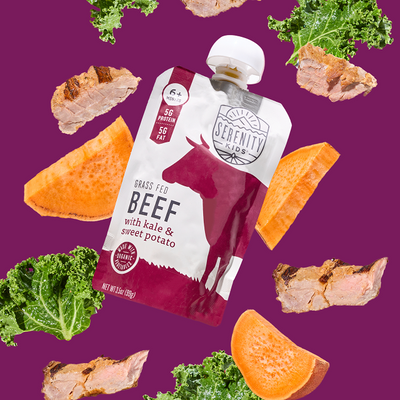
This recipe incorporates our Beef Puree; check out the step-by-step process here.
Meatballs with mashed potato
This simple recipe combines ground beef with mashed potato to make a delicious meal for your baby. You could also opt for sweet potatoes or add herbs to give your baby a taste of different flavors, as well as added nutritional benefits.
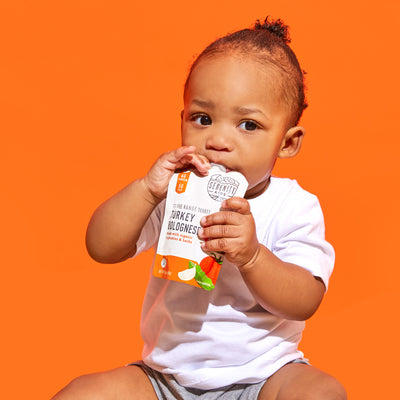
For extra flavor and a boost of protein and amino acids, use our Turkey Bolognese with Bone Broth puree as a sauce for your meatballs. You could also use tomato sauce or season with mild chili powder for a different flavor.
See our Baby Meatballs Recipe.
What to avoid when introducing meat into a baby's diet?
Although you should aim to introduce your baby to a wide range of meats, there are some precautions that you should take to ensure your baby’s safety.
-
Limit deli meats, hot dogs, and fried meats until 12 months. These processed meats are generally higher in preservatives and sodium.
-
Avoid reheating meat more than once, when possible. Cooling and reheating food more than once can increase the potential for bacteria growth.
-
Ensure that you always give your baby fully cooked meat until 12+ months. This means the meat should reach a specified internal temperature, typically ranging from 145-165°F as designated by the FDA³, based on the type of meat. It also shouldn’t be rare or medium-rare until 12+ months
While babies can generally eat all types of meat, proper preparation and storage are key to safety. Purees, ground meat, and meatballs should be refrigerated for 1–2 days, while meat strips, shredded meat, and meat on the bone typically stay fresh for 3–4 days.
Can meat be a hazard for a baby?
Like any other food, there are important safety considerations when it comes to incorporating meat into your child’s diet.
Can meat choke your baby?
Meat tends to be tougher and harder to chew than some other foods. With that, meat could be a choking hazard if not prepared correctly, which is why you shouldn’t offer small pieces of meat to your baby before they are ready.
Feeding your baby foods that are prepared and cut age-appropriately can reduce their risk for choking. It’s also important to always put your child in a safe eating position (sitting up in a high chair) and to keep a close eye on them while they are eating.
Is there a meat allergy?
Although food allergies are relatively common, meat allergies⁵ are extremely rare. In some cases, however, parents find that their child may have an allergic reaction to certain meats.
Common symptoms of a food allergy include:
-
Hives or skin reaction
-
Itching
-
Sneezing
-
Wheezing or trouble breathing
-
Nausea, vomiting, or diarrhea
For parents concerned about allergies, it’s a common practice to introduce one food at a time in case your baby reacts to something they’ve eaten. This can help you identify possible food allergies.
When to get medical advice?
If your baby is showing any signs of an allergic reaction to something they’ve eaten, it’s important to consult a healthcare professional immediately. They will help treat your child and determine the underlying cause of the reaction.
They may recommend a skin prick allergy test, followed by blood work to identify specific allergens that may be affecting your little one. We aren’t health professionals so we always advise you to consult with yours.
So what’s the bottom line?
Starting your baby on solids may feel a little intimidating, between navigating which foods are best and how to prepare them. Fortunately, babies can eat nearly everything that adults can eat, including meat. Not only is meat a nutritious option, there are many different ways to prepare it, making it an ideal first food for babies.
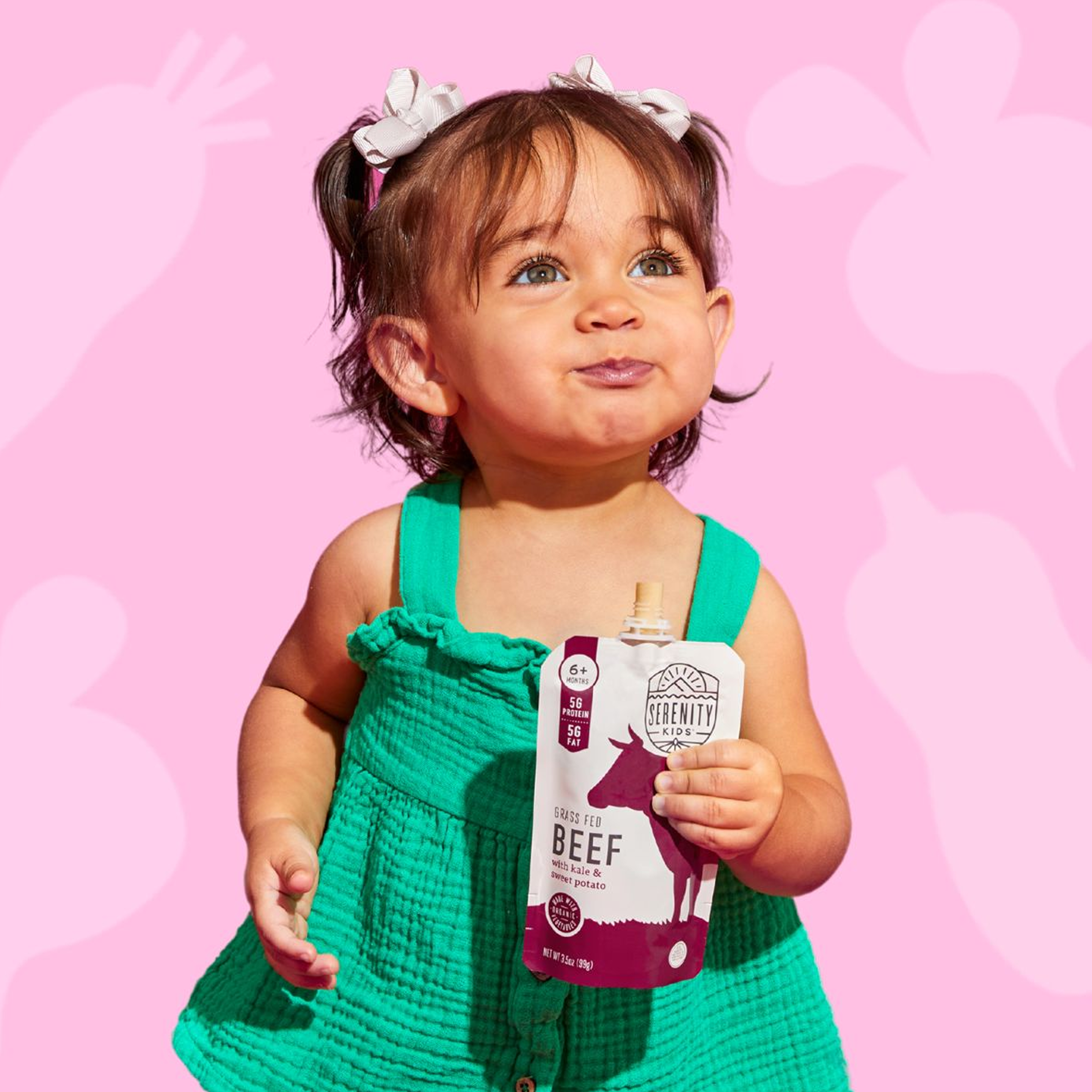
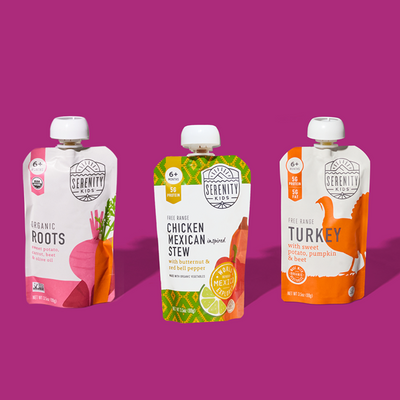
And for when you need an easy option for busy nights or days spent on-the-go, Serenity Kids has a wide variety of meat purees ready to be enjoyed by your little one.
References
-
U.S. Food and Drug Administration (FDA). (n.d.). Meat, poultry, seafood: Food safety for moms-to-be. https://www.fda.gov/food/people-risk-foodborne-illness/meat-poultry-seafood-food-safety-moms-be#:~:text=Cook%20beef%2C%20pork%2C%20veal%2C,a%203%20minute%20rest%20time.&text=Cook%20ground%20beef%2C%20veal%2C%20lamb,F%20(74%C2%B0%20C).&text=Cook%20all%20poultry%20to%20minimal,F%20(74%C2%B0%20C)
-
National Center for Biotechnology Information (NCBI). (2013). Paleo nutrition: What our ancestors really ate. https://pmc.ncbi.nlm.nih.gov/articles/PMC3738999/
-
American College of Allergy, Asthma & Immunology (ACAAI). (n.d.). Meat allergies. https://acaai.org/allergies/allergic-conditions/food/meat/
Internal Linking Recommendations
-
(read more on why meat is an ideal first food here ). Fun fact: Our ancestors would pre-chew meat for their…
-
Content Changes Needed
-
New anchor: meat is an ideal first food for babies
-
…Plus, they have a savory flavor profile meat is an ideal first food for babies. Fun fact…
-
here
-
Content Changes Needed
-
New Anchor: meat a great first food for babies
-
…Protein from animal sources is superior as its nutrients are more bioavailable than from plant sources. Making meat a great first food for babies.