






If your breastfed baby is struggling to poop, you are not alone. So many moms quietly worry when their little one seems uncomfortable, goes several days without a bowel movement, or cries during pooping. Breastfed babies can have irregular patterns, but your own diet can sometimes make a gentle difference. The goal is not to overhaul everything you eat. Small, simple shifts can support your digestion and offer a little extra help to your baby through your breast milk.
Most parents have had moments of wondering how to help their infant or newborn baby poop. These simple, supportive strategies can make a real difference!
The Connection Between a Mother’s Diet and Baby’s Digestion
What you eat becomes the building blocks of your breast milk. Your baby is not drinking your food directly, but breastfeeding 101 tells new parents that nutrients and certain food compounds do pass through in small amounts. This means your fiber intake, hydration, healthy fats, and probiotic foods may subtly influence how easily your baby can poop — and when these factors are off balance, they can sometimes cause constipation.
Breast milk is naturally gentle on the digestive system, but when babies are sensitive or struggling with stool consistency, supporting your own digestion can often support theirs.
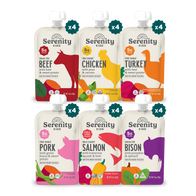
Best Sellers
They're not just parent favorites—they're little ones favorites too.

Little World Traveler Pack


Power Protein Variety Pack


Signs Your Baby Might Be Constipated
Constipation in breastfed babies is less common, but it does happen. These signs and symptoms can help you decide when your baby may need a little support.
Straining or Discomfort During Pooping
If your baby is grunting, crying, or turning red in the face while trying to poop, it may mean the stool is firmer than usual.
Fewer or Harder Stools Than Normal
Some breastfed babies go once a week and are perfectly fine. The concern is when stools are dry, pellet-like, or noticeably harder than usual.
Fussiness or Bloated Tummy
A round, firm belly or escalating fussiness between feeds may signal trapped gas or slow-moving digestion.

Foods You Can Eat to Help Your Breastfed Baby Poop
These suggestions are not meant to be overwhelming. Choose one or two that feel easy for your routine and build from there.
Fiber-Rich Vegetables and Fruits
Your baby benefits when your digestion runs smoothly. Try adding foods like papaya, pears, prunes, spinach, or leafy greens. These foods support your natural fiber intake and may help soften your baby’s stools through your milk.

Hydration and Warm Liquids
Hydration plays a quiet but powerful role in digestion. Drinking enough water and adding warm liquids like herbal tea or warm lemon water can help keep your system moving, which may, in turn, help your baby.
Probiotic and Gut-Friendly Foods
Yogurt with live cultures, kefir, sauerkraut, or other fermented foods can help balance your gut microbiome. A healthy gut often means smoother digestion for both you and your baby.
Healthy Fats for Lubrication
Healthy fats support nutrient absorption and help stool move more comfortably. Easy options include avocado, chia seeds, olive oil, and wild salmon.
Nutrient-Dense Veggie and Protein Blends
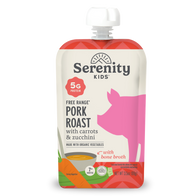
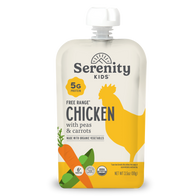
If your baby is in the solid-food stage, Serenity Kids pouches can help keep things moving. Their veggie-rich recipes and healthy fats support digestion, which often helps make pooping easier.
Try:
These blends stand apart from fruit-heavy baby food brands by focusing on veggie-forward, low-sugar, protein-rich nutrition that supports digestion rather than overwhelming it.
If you also have questions about what to feed your baby as they grow, you are not alone. Knowing when to move from simple purees to more textured meals can feel confusing at first. Our guides help with what you should know about baby food stages, along with baby food tips and recipes that can help you feel more confident about each stage of feeding.
Foods You Might Want to Limit or Avoid
These foods are not necessarily harmful, but reducing them may help improve stool consistency and ease.
Dairy and Processed Foods
Heavy dairy or processed snacks can slow digestion for some mothers, and that may influence a baby’s bowel habits. If your baby is over 1 year and starting to explore dairy, some families find that A2 milk is gentler than traditional dairy. Our toddler formula is made with A2 protein, which is naturally easier for many children to digest than standard milk protein.
Caffeine and Dehydrating Drinks
Too much caffeine can slightly reduce hydration, potentially affecting breast milk composition.

Gas-Producing Vegetables
Some babies react to trace amounts of sulfur-rich veggies, such as broccoli or cabbage. Every baby is different, so adjust slowly and watch your baby’s cues.
Additional Ways to Support Baby’s Digestion
Your diet can make a difference, and a few gentle techniques can also help your baby feel more comfortable when it is time to poop.
Baby Massage and Tummy Time
Light circular belly massage and bicycle legs can help move trapped gas and stimulate the colon.
Feeding Position and Frequency
More upright feeding positions and frequent nursing can help digestion stay on track.

Burping After Feeds
Simple but effective. Burping releases swallowed air that can contribute to discomfort.
When to Call a Doctor
If your baby goes more than a week without pooping, has a hard, bloated belly, or seems in pain when trying to poop, reach out to your health care provider. Sudden changes in stool color, consistency, or frequency can also be worth checking. If diarrhea develops instead of constipation, or your baby shows signs of dehydration, such as dry lips or fewer wet diapers, seek medical advice from a health consultant promptly to relieve constipation.
Final Thoughts
If your baby is struggling to poop, just remember that their little digestive systems are still learning. A few changes in your diet, a focus on hydration, and some gentle tummy care can make a big difference. And when it’s time for solids, our best baby food offers nutrient-dense, veggie-forward options designed to keep digestion balanced and bellies happy.


