







As you navigate the first few years of your child’s growth, understanding what nutrients they need is crucial to their health and well-being. Babies need a variety of micronutrients like vitamins and minerals, but they also need a good balance of macronutrients - protein, fat, and fiber.
In this article, we're honing in on protein intake. Why is protein important? How much protein do babies need? And what are the best sources of protein?
Key Takeaways
Protein is essential for a baby’s growth. It supports muscle and tissue development, immune function, hormone production, and brain health.
Breast milk and formula provide the necessary protein and essential amino acids for infants. In fact, breast milk even adapts to the changing nutritional needs of your baby.
Best Sellers
They're not just parent favorites—they're little ones favorites too.


Little World Traveler Pack


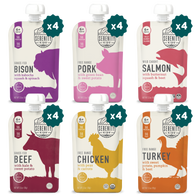
Power Protein Variety Pack


Introducing a variety of protein-rich solid foods at around six months supports continued development. Incorporating solids allows babies to receive nutrients from sources beyond milk as they grow older.
Protein Essentials for Babies
The key to unlocking protein's potential lies in the foods we feed our little ones. So, let’s take a closer look at the various types of protein foods, understand the role of essential amino acids, and discuss how to ensure your baby gets enough protein from their diet.
The Role of Protein in a Baby's Growth
Protein plays a critical role in supporting optimal growth and development in children. It helps to construct and repair muscles and tissues, supports normal immune function, and produces essential enzymes and hormones.
Recent research in Europe suggested that infants need about 1.3 grams of protein per kilogram of body weight¹. At an average weight range of 16 to 22 pounds for babies 6 to 12 months of age, this translates to a daily protein requirement of about 9-13 grams of protein per day.
Essential Amino Acids
Amino acids are the building blocks of proteins, and they play vital roles in various bodily functions. They also play an important role in the growth and development of babies. Some amino acids, called "essential amino acids," are amino acids that cannot be synthesized in the body, so they must be consumed in the diet. There are nine essential amino acids:
-
Histidine
-
Isoleucine
-
Leucine
-
Lysine
-
Methionine
-
Phenylalanine
-
Threonine
-
Tryptophan
-
Valine
Both breast milk and infant formula contain these essential amino acids. The World Health Organization recommends breast milk or formula as the exclusive source of nutrition for the first six months of life. Once solids are introduced and breast milk or formula is discontinued, essential amino acids must be obtained through food intake.
Top 10 Protein Sources for Infants and Toddlers
1. Breast Milk
Breast milk is the ultimate food for infants and toddlers, providing high-quality protein that adapts to a baby’s protein needs. It contains all the essential amino acids, along with bioactive components like immunoglobulins, lactoferrin, and human milk oligosaccharides (HMOs), which support the infant’s immune system and brain development. While breast milk meets most protein requirements, introducing complementary foods around 4-6 months of age ensures optimal growth and nutrient intake.
2. Infant Formula
When breastfeeding is not possible, infant formula provides a good source of high-quality protein and nutrients for infants and toddlers. Formulas are designed to meet protein needs, growth, and development, and can be tailored for babies with specific sensitivities, such as cow’s milk intolerance. Goat milk or A2 milk formulas are often recommended. Always consult a pediatrician or a registered dietitian to ensure your baby’s diet is safe and meets protein requirements.
3. Meat
According to the World Health Organization (WHO), meat is considered an excellent source of high-quality protein and micronutrients and should be consumed by infants who are consuming solid foods². Meat baby food options include beef, pork, chicken, and turkey. A portion of 2 oz provides much protein for a baby, which is more than enough given their small stomachs. Fattier cuts, like chicken thighs, are easier to chew and supply healthy fats essential for infants and toddlers.
4. Fish
Fatty fish such as salmon and sardines are high in protein and an excellent source of omega-3 fatty acids for brain development. They are also rich in calcium and vitamin D, which support strong bones and optimal growth. Soft-cooked, flaked fish is ideal for toddlers and can be safely incorporated into complementary foods. Including fish in a baby’s diet ensures they get a protein-rich food that also contributes to healthy fats for growth and development.
5. Eggs
Eggs are a high-quality protein source packed with choline, B vitamins, and healthy fats, making them crucial for brain development and overall growth and development. Both the yolk and the white contain nutrients, but the yolk is particularly nutritious. Eggs can be served scrambled, boiled, or mashed for infants and toddlers. They also provide much protein relative to portion size, making them ideal for meeting protein requirements in a baby’s diet.
6. Dairy Products
Dairy products like plain yogurt, cheese, and whole milk are a good source of protein, calcium, vitamin D, and healthy fats. These support growth and development and provide high-quality protein for babies and toddlers. Choose plain, unsweetened yogurt or cheese to ensure a nutritious addition to complementary foods. For infants and toddlers who cannot tolerate dairy, plant-based yogurts like coconut-based options offer some nutrients, though they are lower in protein quality.
7. Plant-Based Proteins
Plant sources like lentils, chickpeas, and black beans are protein sources that provide much protein for infants and toddlers. These protein-rich foods can be made into purees or hummus for baby-friendly complementary foods. While plant proteins typically have lower protein quality, combining them with animal sources ensures that babies and toddlers get all the essential amino acids needed for growth and development. We recommend avoiding processed plant-based protein foods as they tend to contain highly processed protein isolates, showing how industrial seed oils can be harmful.
8. Nut Butters
Nut butter, including peanut butter and almond butter, is a good source of protein and healthy fats. These protein-rich foods can be spread thinly on toast or mixed into yogurt for toddlers, ensuring age-appropriate portions to reduce choking risk. Nut butters support brain development and growth while complementing other protein sources in a baby’s diet.
9. Cheese and Yogurt-Based Foods
Cheese and yogurt are high in protein and nutritious, supporting optimal growth and brain development. Whole milk Greek yogurt provides high-quality protein, healthy fats, and essential vitamins, while cheese offers calcium and vitamin D. These protein-rich foods are easy to incorporate into complementary foods for infants and toddlers, helping meet protein requirements efficiently.
10. Mixed Protein Complementary Foods
Combining protein sources like eggs with lentils or yogurt with beans creates high-protein meals that ensure infants and toddlers get all the essential amino acids. Following dietary guidelines for Americans and recommendations from the Academy of Pediatrics or the National Institutes of Health guarantees your baby’s diet supports growth and development, brain development, and overall health. Using age-appropriate complementary foods ensures babies and toddlers get enough protein safely.
Tips for Incorporating Protein into Your Baby's Diet
Now that we’ve gone through the why and what of protein for babies, let’s discuss the how. How can you incorporate protein into your baby’s diet?
Balance each meal and each plate
Aim to include protein foods at each meal. This supports blood sugar balance and satiety and also spreads total protein intake out over the course of the day. In addition, aim to pair your protein with healthy fats and fiber-rich veggies.
Explore different forms and different types
Babies may not always take to a taste or texture on the first try. It's best to keep trying, as it can take several exposures for a little one to accept a new food³.
You may also want to play around with different options. For example, you can try smoothies for picky eaters as part of your meal or snack. Or try a different form of the same meat. If your little one isn't taking to flaked salmon, try making salmon patties.
Embrace convenience
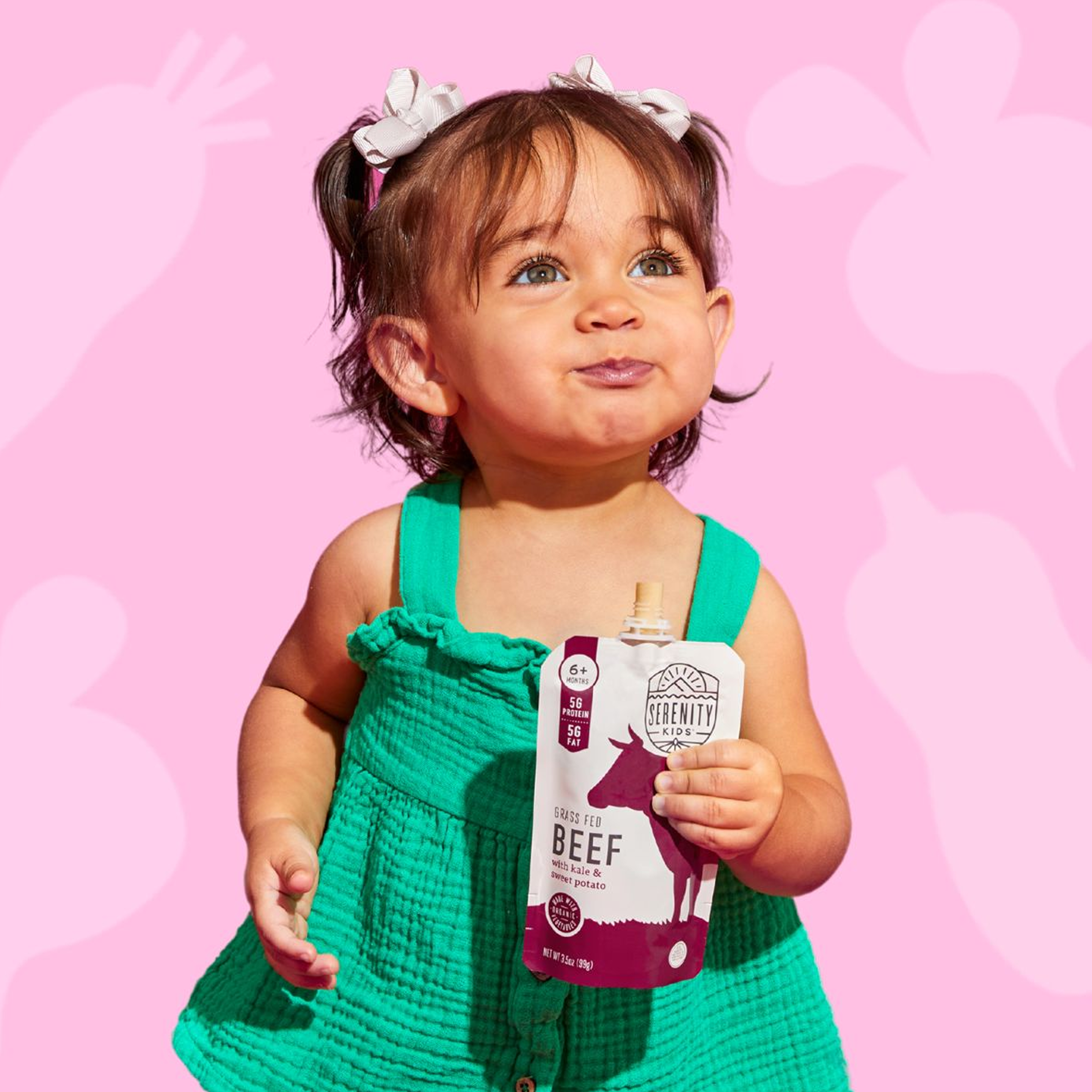
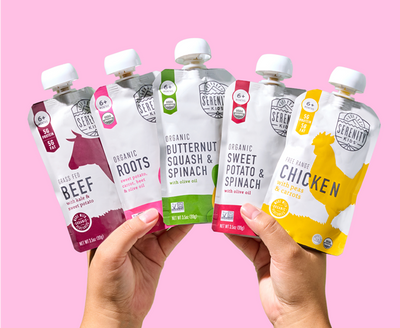
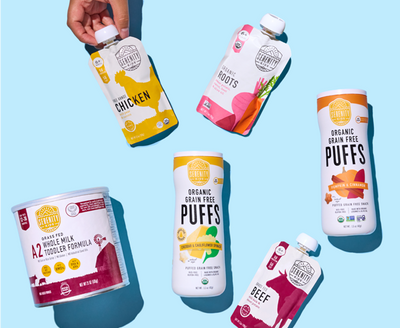
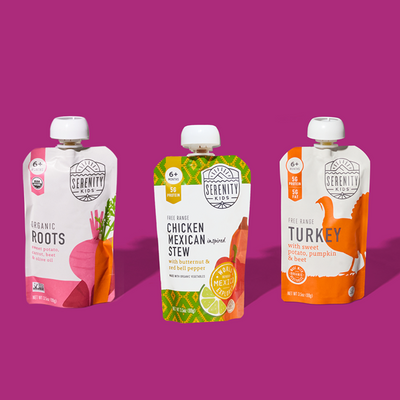
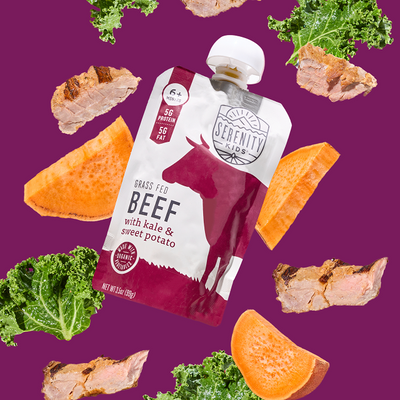
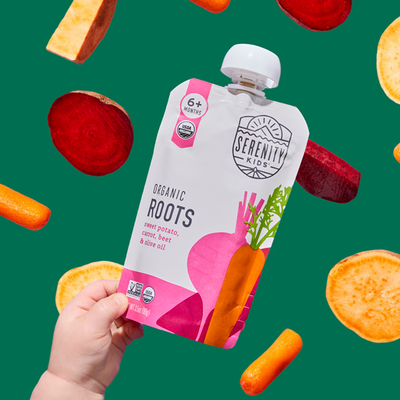
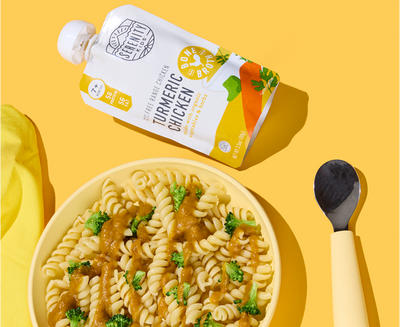
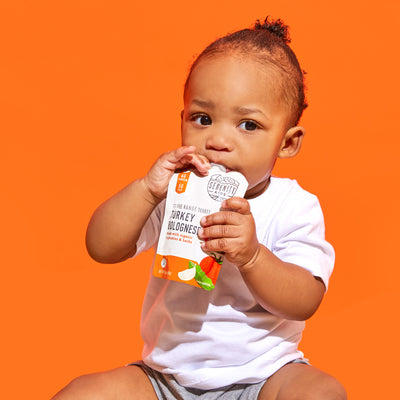
Serenity Kids pouches are the ultimate in healthy convenience. Our flavorful and portable pouches are an optimal balance of protein and fat alongside nutrient-dense vegetables. They are also a great option for little ones who are hesitant with textures or parents who want to stick with purees early on.
Summary
From the moment your baby takes their first sip of breast milk or formula to when they try their first bite of chicken, protein plays a pivotal role in their growth and development. By offering a variety of protein-rich foods, from both animal and plant sources, you can ensure your baby gets the essential amino acids they need. Whether you’re breastfeeding or formula-feeding, introducing solid foods or tackling picky eating, remember that every meal is a step towards your baby’s healthy growth and development. So, here’s to the power of protein and to the joy of watching your little one grow!
Sources
¹Richter, M., Baerlocher, K., Bauer, J. M., Elmadfa, I., Heseker, H., Leschik-Bonnet, E., Stangl, G., & Volkert, D. (2019). Revised reference values for the intake of protein. Annals of Nutrition and Metabolism, 74(3), 242–250. https://doi.org/10.1159/000499374
²World Health Organization. (2003). Complementary feeding: Report of the global consultation and summary of guiding principles for complementary feeding of the breastfed child (924154614X). World Health Organization. https://www.who.int/publications/i/item/924154614X
³Forestell, C. A. (2017). Flavor perception and preference development in human infants. Annals of Nutrition and Metabolism, 70(Suppl. 3), 17–25. https://doi.org/10.1159/000478759