











When a little one is fussy and everything goes straight into their mouth, many parents wonder: Does breastfeeding help with teething? Evidence suggests it can offer real comfort through breast milk's natural soothing properties and the calming effects of nursing itself.
Let’s talk about why teething causes discomfort, how breastfeeding may ease gum pain, and what practical tips, like offering chilled teething toys or baby food pouches, for navigating this phase while keeping both parent and baby comfortable.
Why Teething Can Be So Uncomfortable for Babies
Most babies begin to teethe when they’re around 6 months old, though some start earlier, with the first teeth typically appearing in the front. When teeth push through gum tissue, the pressure causes swelling and tenderness that can make teething babies irritable.
Best Sellers
They're not just parent favorites—they're little ones favorites too.

Little World Traveler Pack


Power Protein Variety Pack
Teething symptoms parents might notice include:
-
Increased drooling: Saliva production ramps up significantly.
-
Chewing on everything: Babies seek counter-pressure on sore gums.
-
Disrupted sleep: Discomfort often intensifies at night.
-
Changes in feeding behavior: Some babies nurse more, others less.
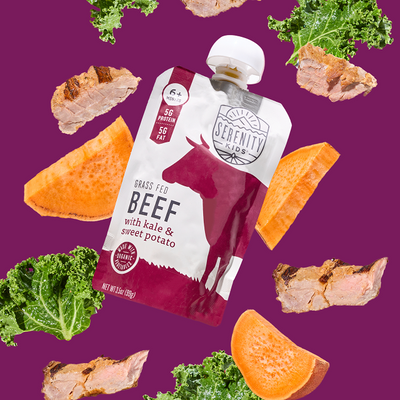
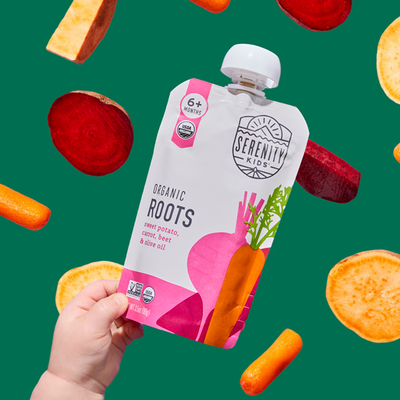
This phase often overlaps with the introduction of solids and the offering of real food. When both nursing and new foods feel harder, offering soothing teething food for babies or smooth purees in pouches can help fill nutritional gaps while being gentle on tender gums.
How Breastfeeding Might Help with Teething Pain

Breastfeeding can offer teething babies meaningful comfort through several distinct pathways.
Natural Comfort from Breast Milk
The World Health Organization recommends breastfeeding for at least two years. Teething is certainly not a reason to wean early, since breast milk contains compounds with natural analgesic and anti-inflammatory properties that may help ease gum discomfort. It also has antimicrobial, antiinflammatory, and immunoregulatory agents that aid the developing immune system.
Sucking Reflex and Pain Relief
The rhythmic motion of nursing can trigger the release of oxytocin and endorphins, helping babies self-soothe during uncomfortable moments. Many parents notice their little one wants to nurse more frequently when the baby's teeth are coming in.
Emotional Reassurance and Bonding
Skin-to-skin closeness during breastfeeding helps babies feel safe when experiencing pain. That familiar comfort of nursing often becomes a go-to source of reassurance during this challenging phase.
Additional Benefits of Breastfeeding During Teething
Beyond soothing discomfort, continued breastfeeding offers developmental and nutritional advantages worth knowing about.
Oral Development Support
Research suggests the mechanics of nursing may support healthy tooth alignment and facial muscle development. The jaw, tongue, and cheek movements involved in breastfeeding can strengthen oral structures as new teeth emerge, which is also the ideal time to start brushing baby teeth.
Immune Support When Babies Need It Most
Breast milk contains antibodies that may help protect against infections, making continued nursing one of the best immune-boosting tips for your little one. This matters during teething, when everything goes into the baby's mouth, and small gum openings can occur where teeth erupt. Pairing nursing with nourishing options like bone broth for babies can provide additional support.
Nutrition Maintenance During Fussier Feeding Phases
Even when solids lose their appeal, eating nutrient-dense foods for breastfeeding helps ensure breast milk provides consistent calories, hydration, and essential nutrients. Nutrient-dense meat baby food can also help ensure nutritional needs are met.
What to Expect: Changes in Feeding During Teething

The teething process commonly shifts feeding patterns in ways that can catch parents off guard.
Increased Nursing for Comfort
Babies may nurse with newborn-level frequency, seeking comfort rather than calories. This increased demand is a normal, healthy response to discomfort.
Occasional Biting or Fussiness
When actively nursing with a proper latch, the tongue covers the bottom teeth, making biting difficult. Baby bites typically happen at the end of feeds when milk flow slows, and some babies clamp down due to gum pressure.
Shorter or More Distracted Feeding Sessions
Swollen gums may cause babies to adjust their latch or feed in shorter bursts. Some temporarily refuse the breast entirely. Calm, low-stimulation environments can help support more settled feeding sessions when they’re experiencing signs of baby teething.
Gentle Ways to Manage Breastfeeding Challenges While Teething
These breastfeeding hacks help before, during, and after feeds, making a meaningful difference.
Offering a Teether Before Feeding
A chilled teether, cold washcloth, or gentle gum massage before latching can help numb soreness. Avoid numbing gels before nursing, as they can affect latch quality. Briefly express milk before feeds to trigger letdown.
Adjusting Feeding Positions
Trying different feeding positions can shift pressure on the baby's gums. Keeping the baby's head tilted back with the chin forward supports a deeper latch that protects your nipple.
Gently Ending Feeds When Biting Occurs
If your baby bites, break the suction by inserting a clean finger at the corner of their mouth, calmly say "no biting," then pause briefly before offering again. For more soothing strategies, you can explore several home remedies for teething.
Support the Teething Transition with Serenity Kids
Teething is temporary. Each tooth typically causes discomfort for about a week, and most parents find that it gets easier over time.
At Serenity Kids, we create baby food with quality protein, healthy fats, and organic vegetables to support little ones through every stage. Explore our best baby food collection for options that nourish growing bodies and developing palates.
Sources:
-
American Academy of Pediatric Dentistry. Perinatal and Infant Oral Health Care. https://www.aapd.org/media/Policies_Guidelines/BP_PerinatalOralHealthCare.pdf.
-
World Health Organization. Breastfeeding. https://www.who.int/news-room/questions-and-answers/item/breastfeeding.
-
American Academy of Pediatrics. Breastfeeding. https://www.aap.org/en/patient-care/newborn-infant-and-early-childhood-nutrition/newborn-and-infant-breastfeeding/.
-
Centers for Disease Control and Prevention. What to Expect While Breastfeeding. https://www.cdc.gov/infant-toddler-nutrition/breastfeeding/what-to-expect-while-breastfeeding.html.